Tender Ground
Andrej Dúbravský, Rainer Fetting, Brandon Lipchik
28 JUNE – 25 JULY 2026
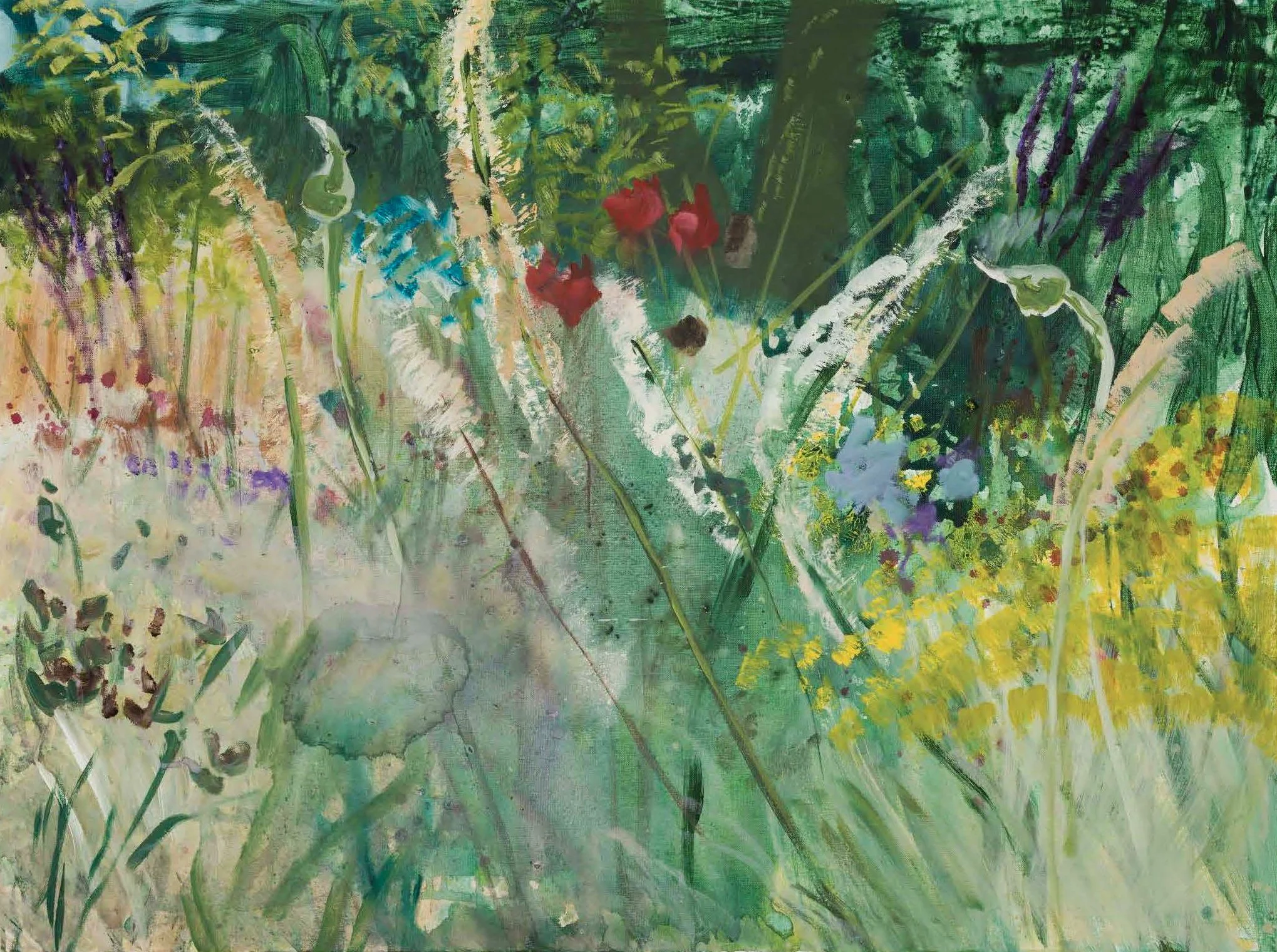
Robert Grunenberg is delighted to present the exhibition “Tender Ground” by Andrej Dúbravský, Rainer Fetting & Brandon Lipchik
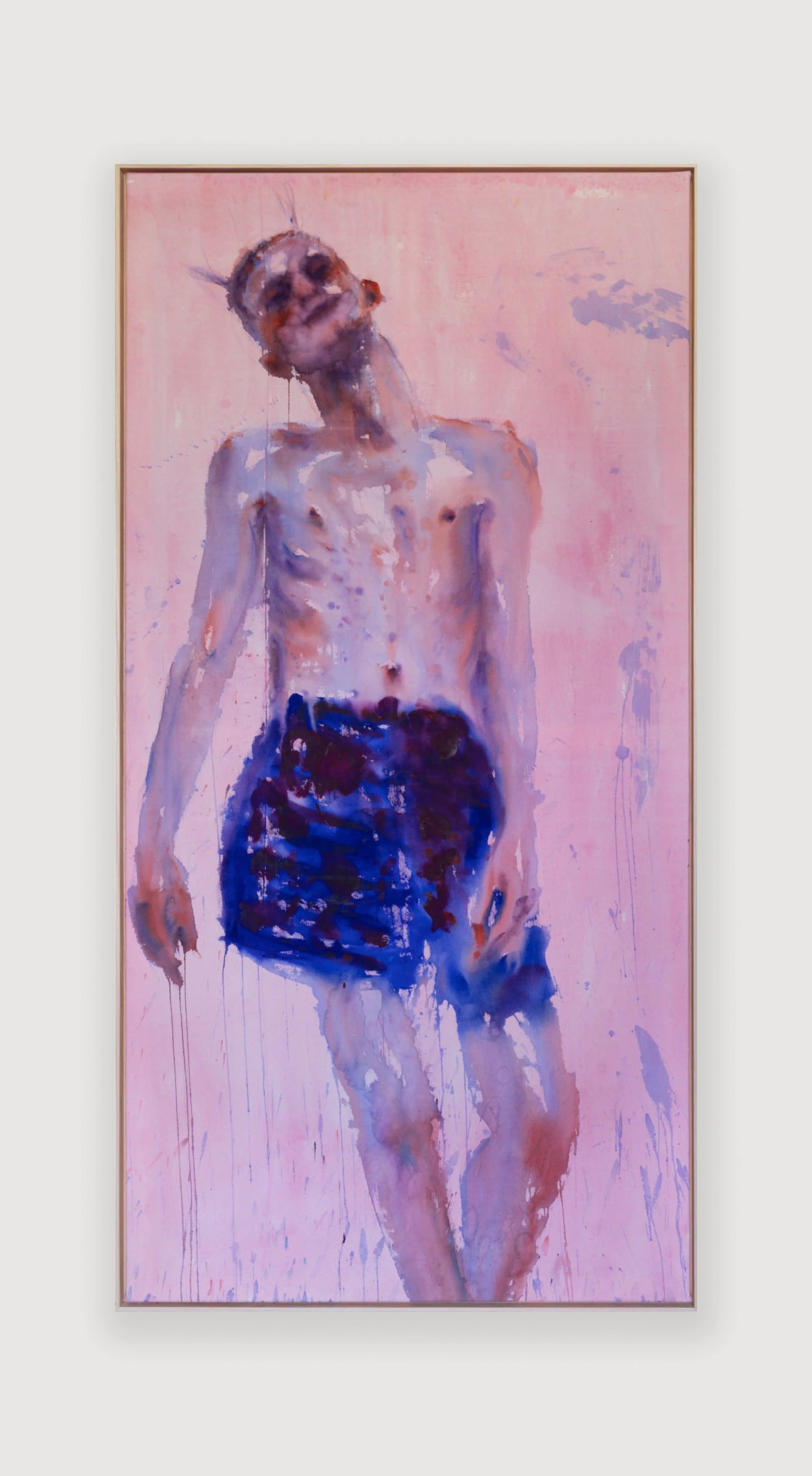
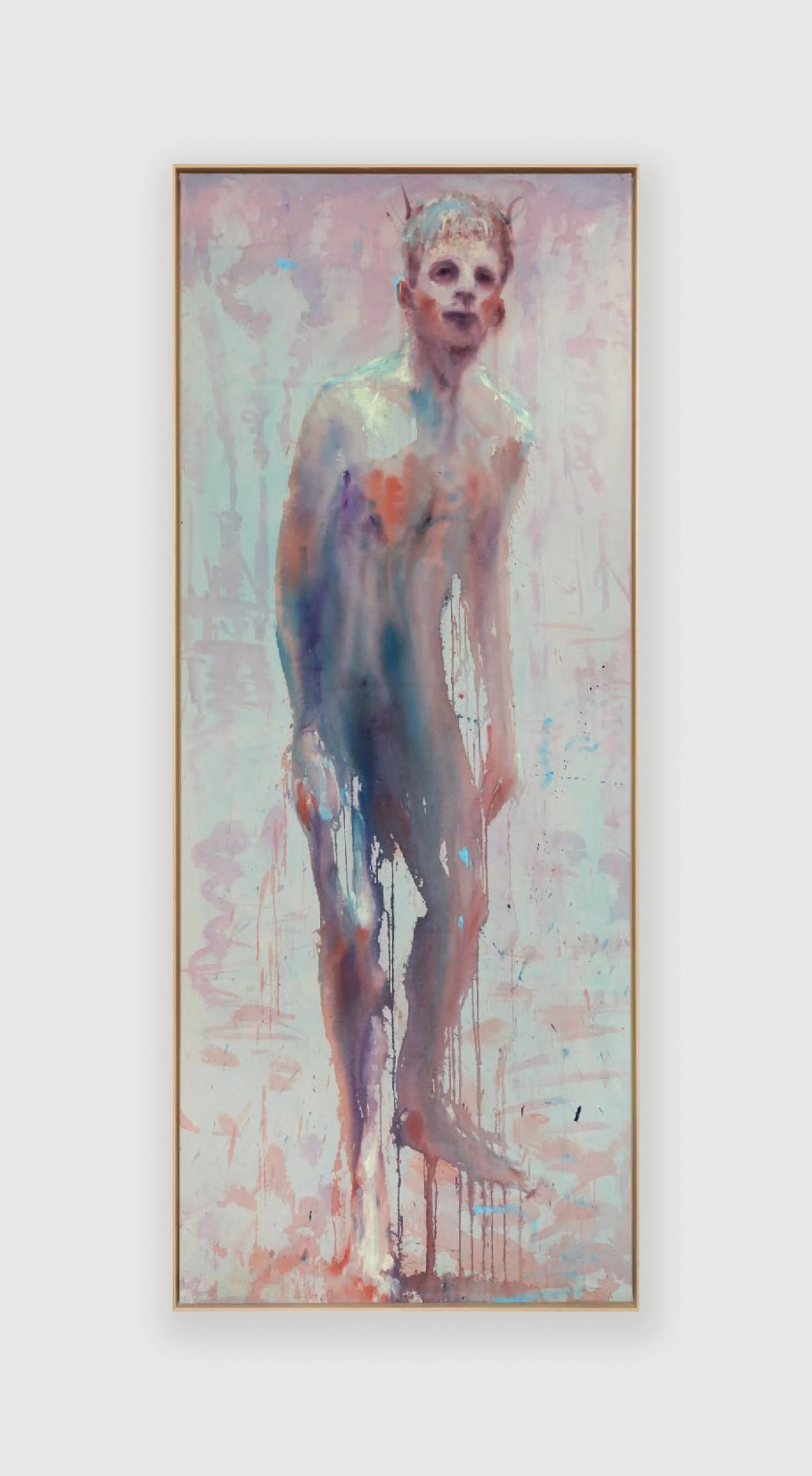
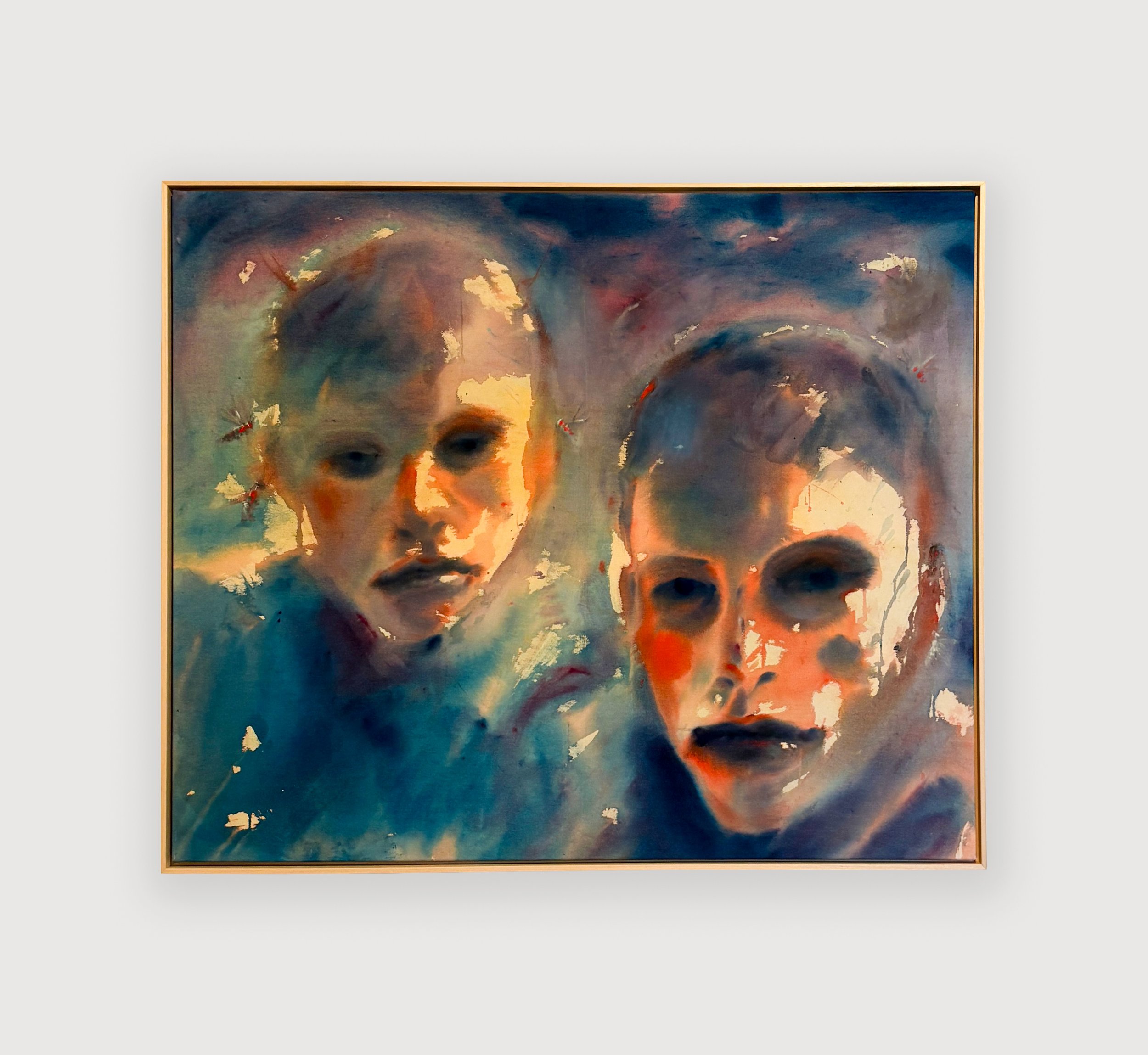
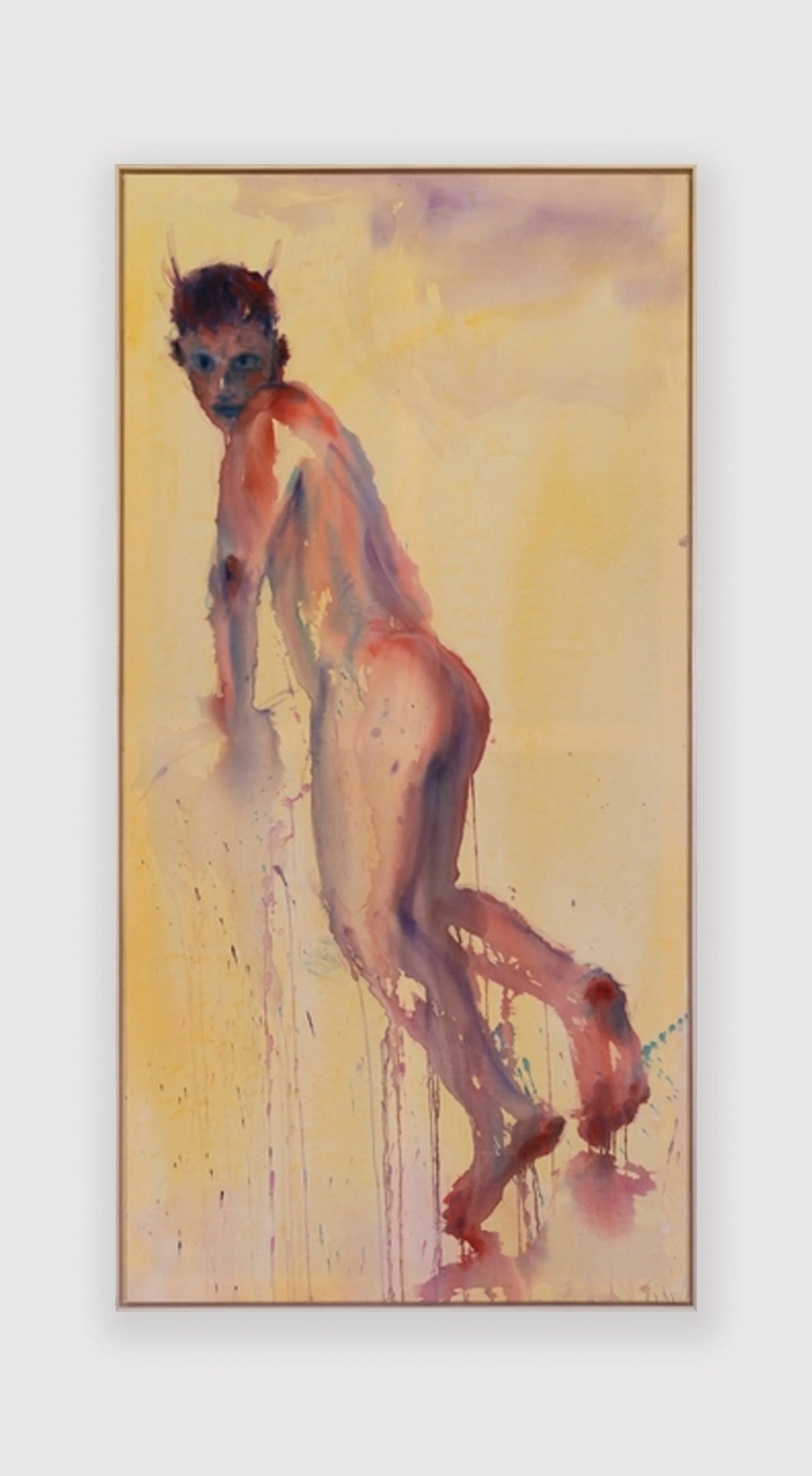
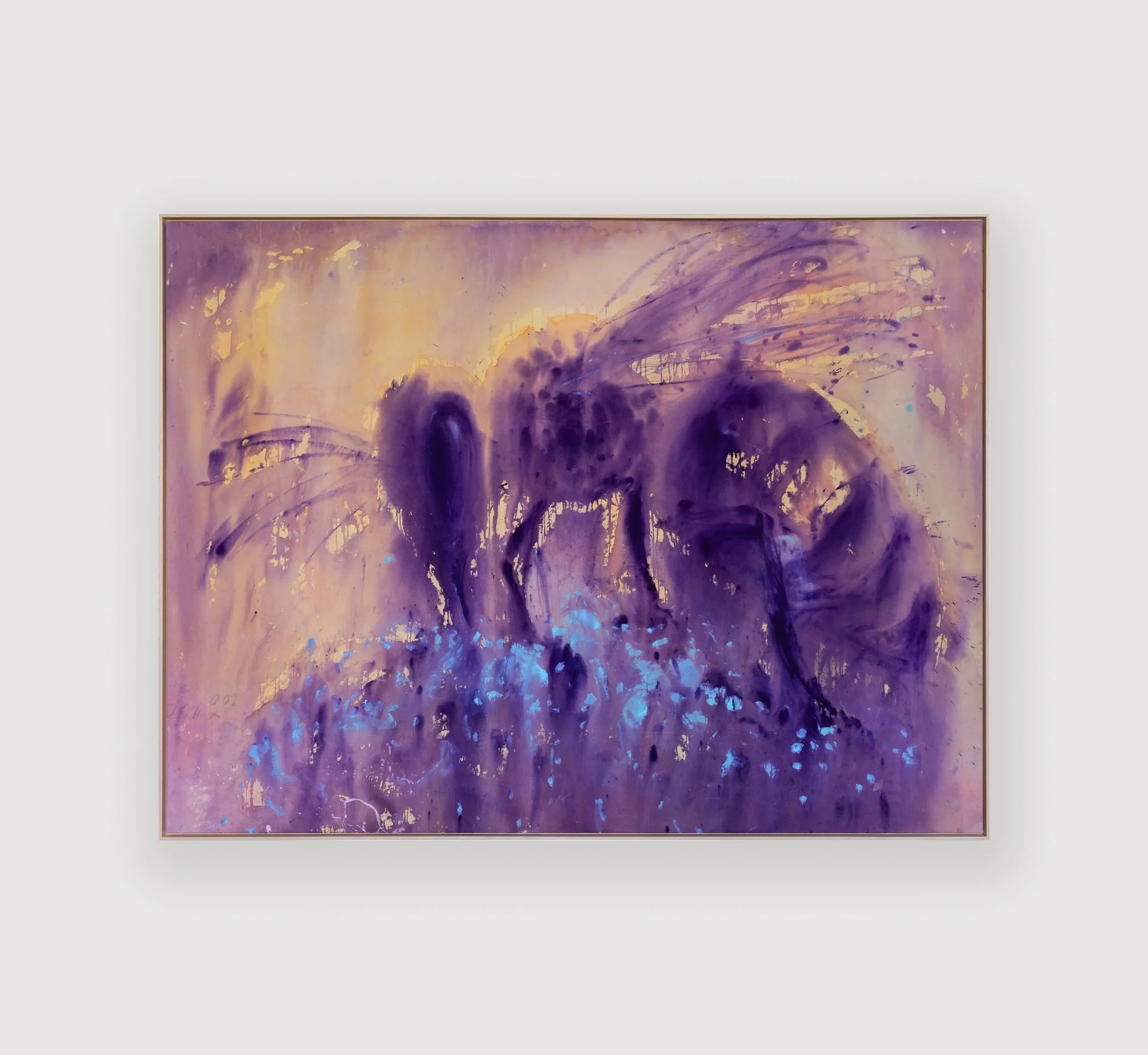
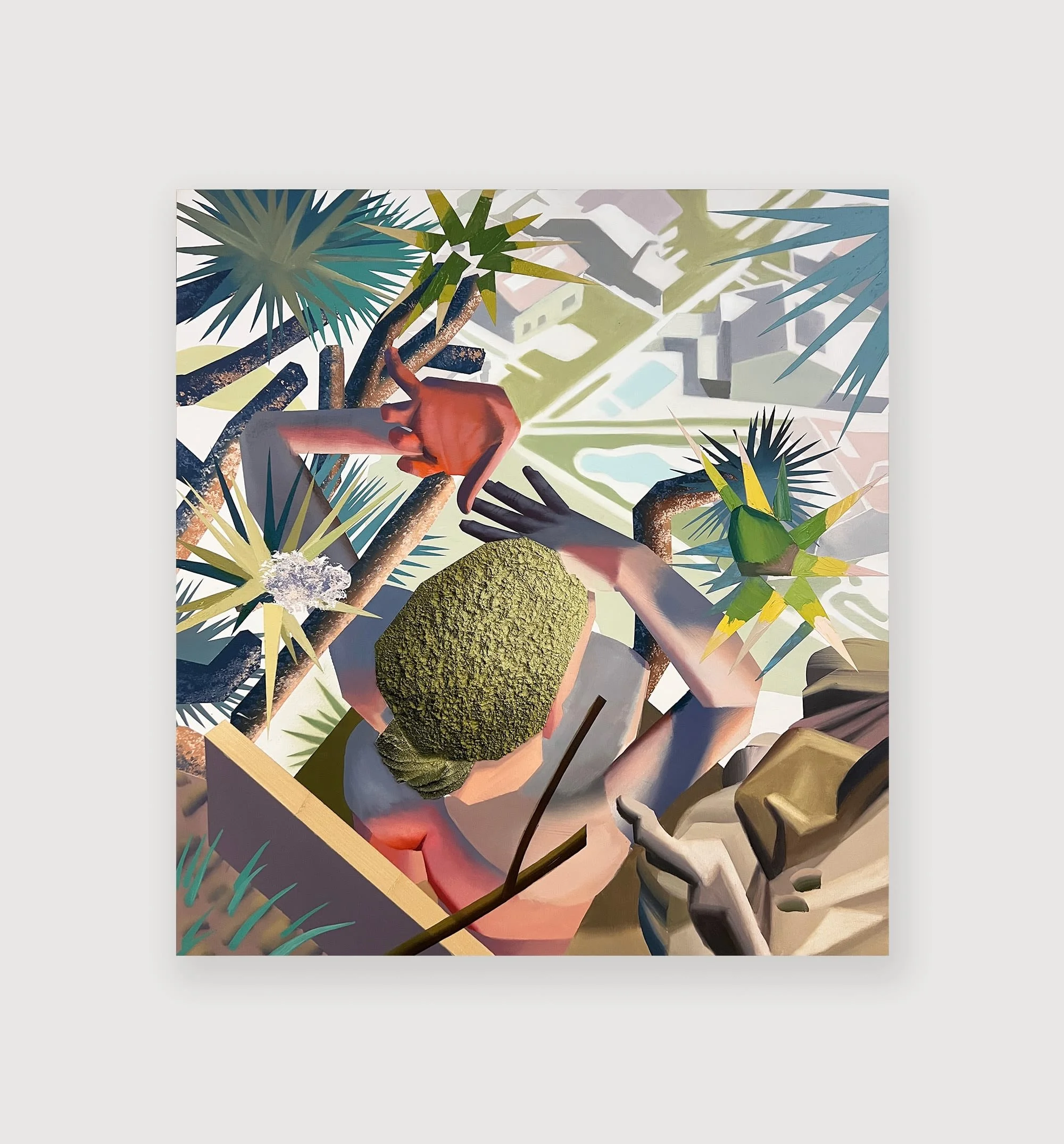
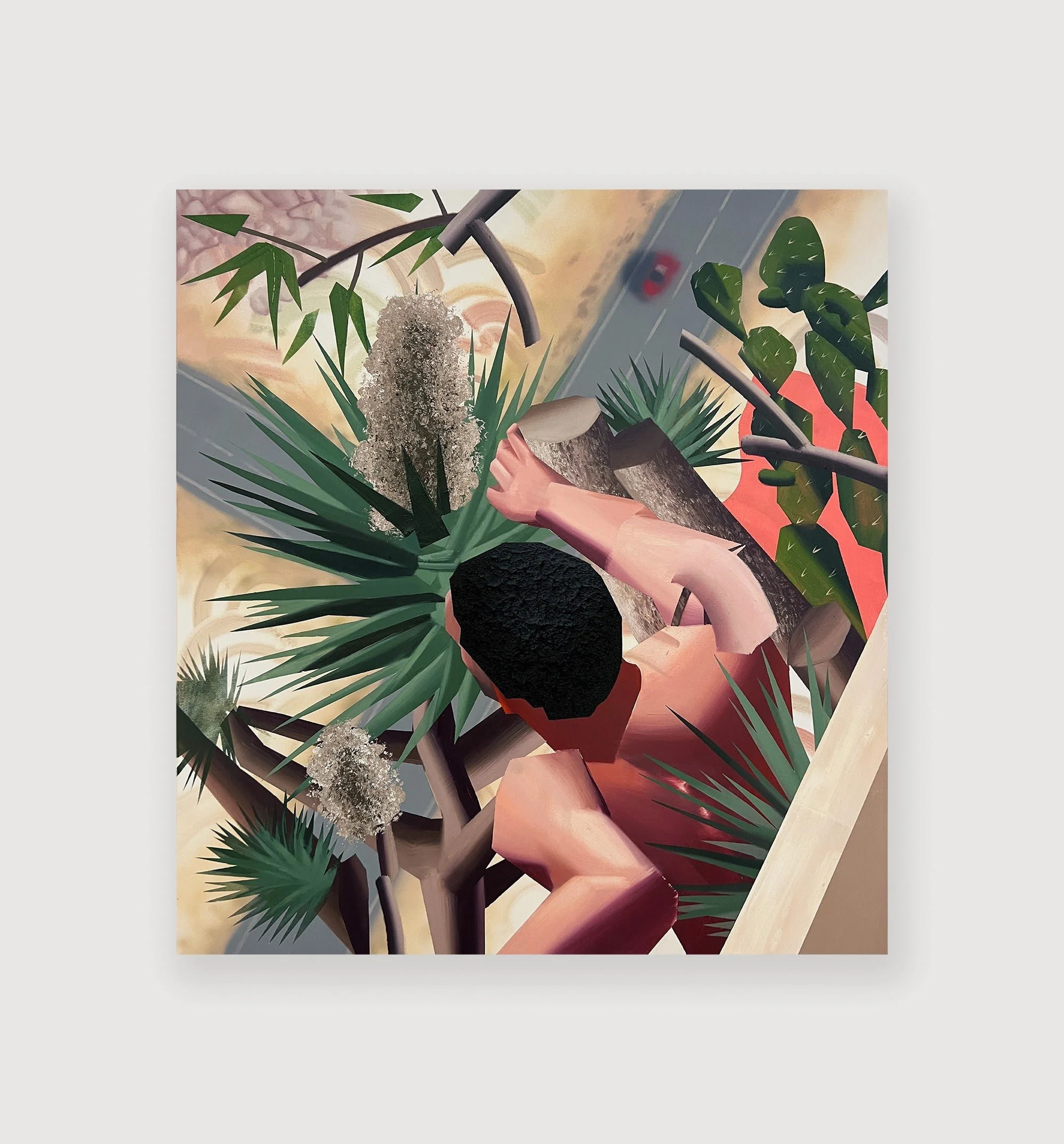
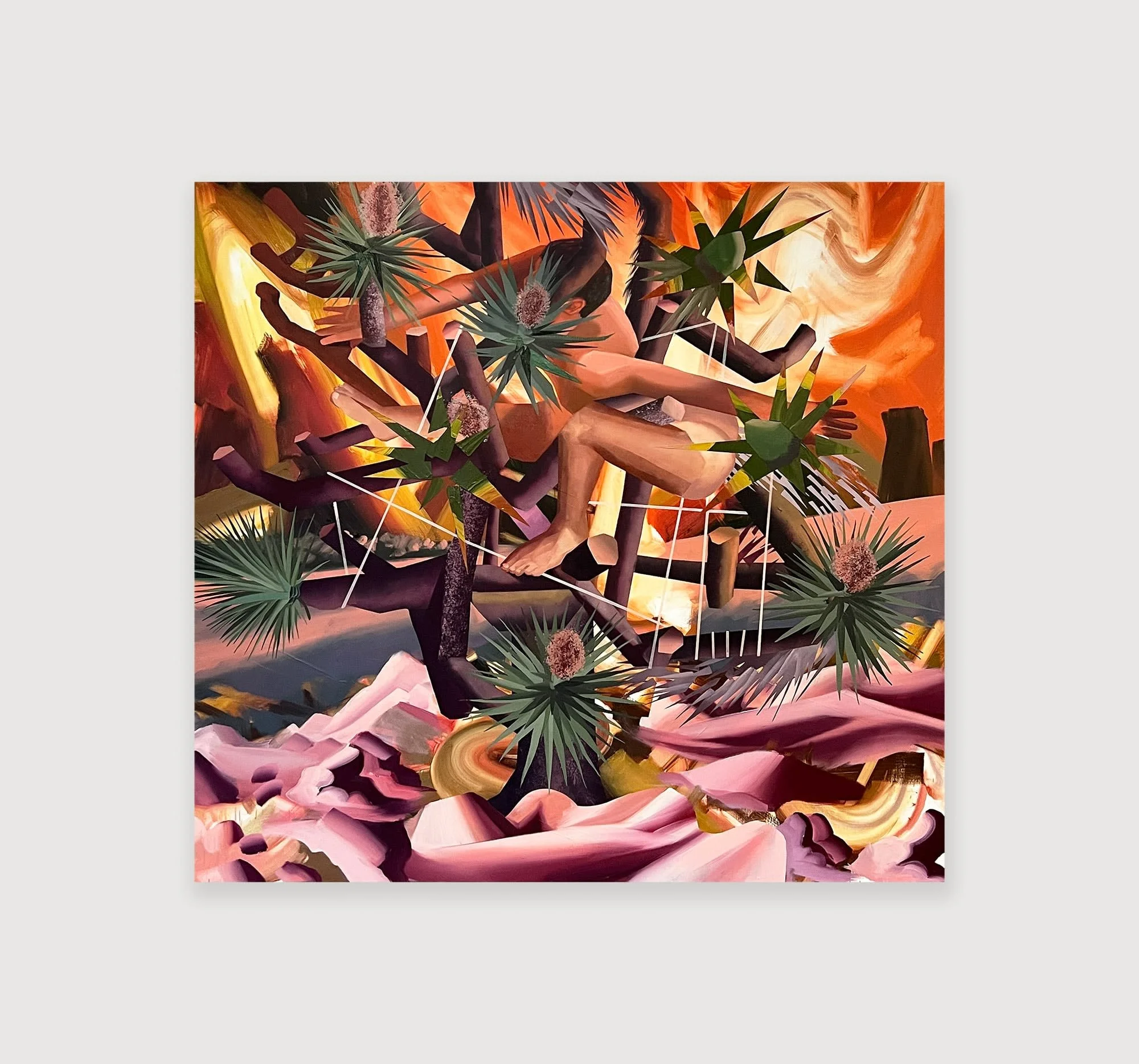
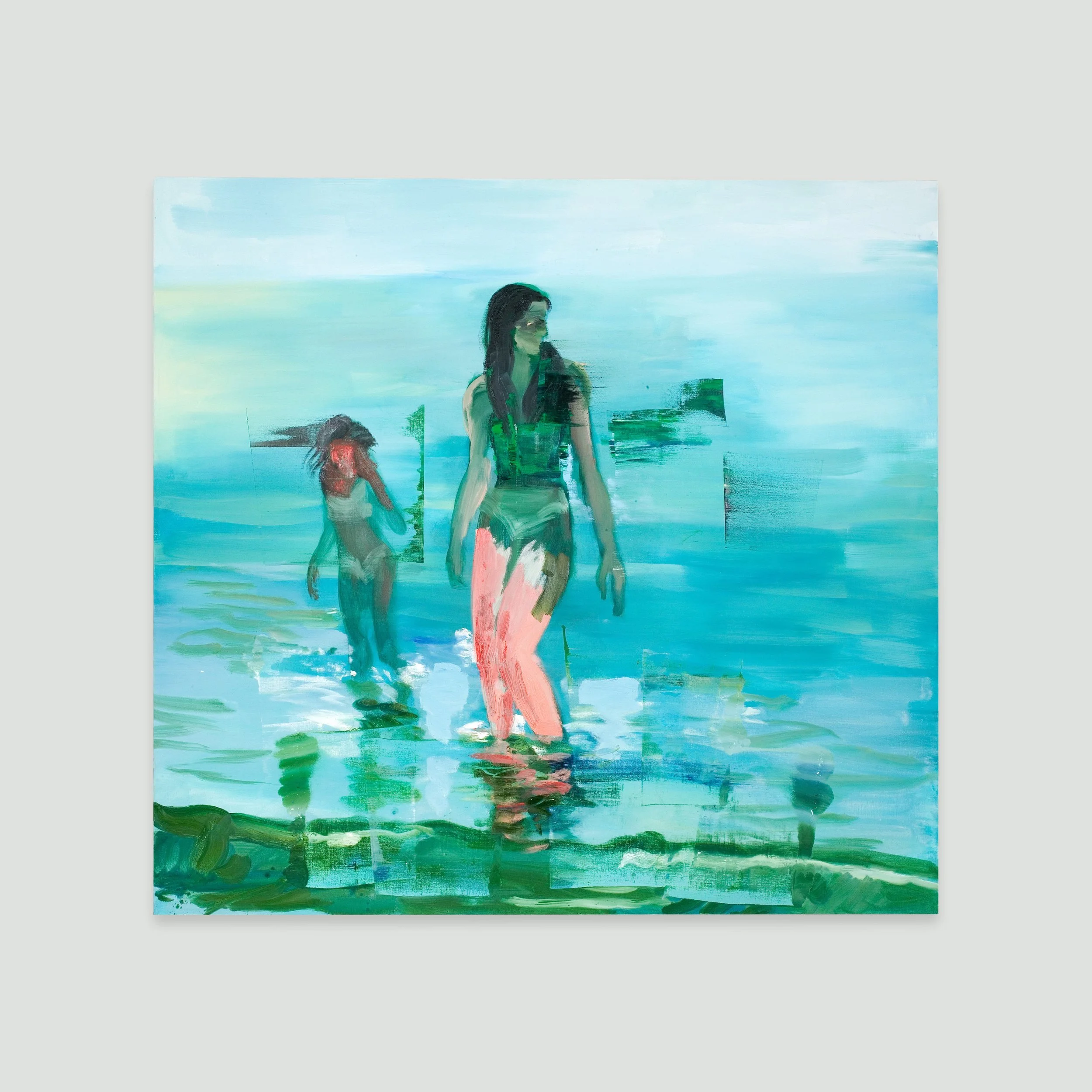
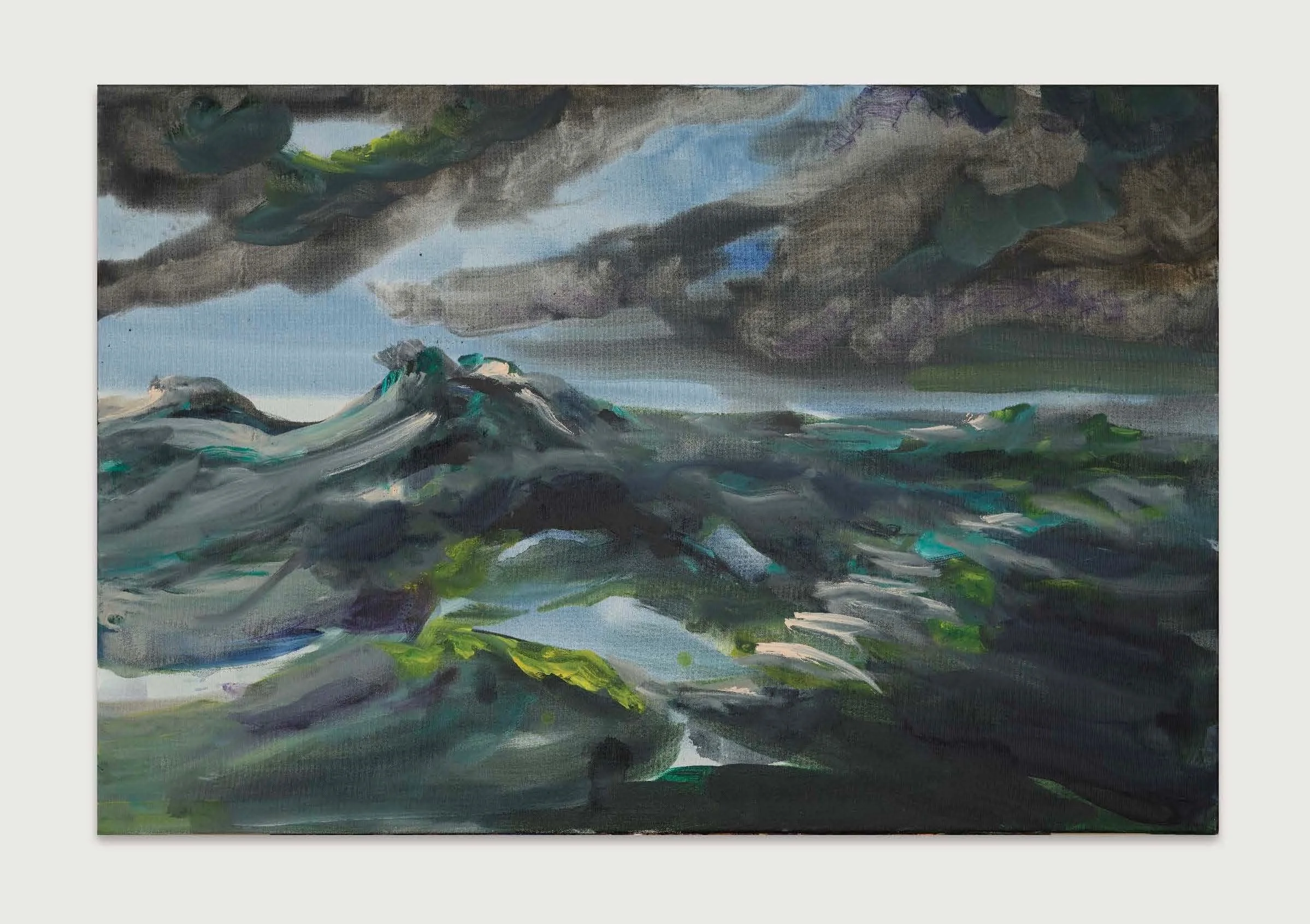
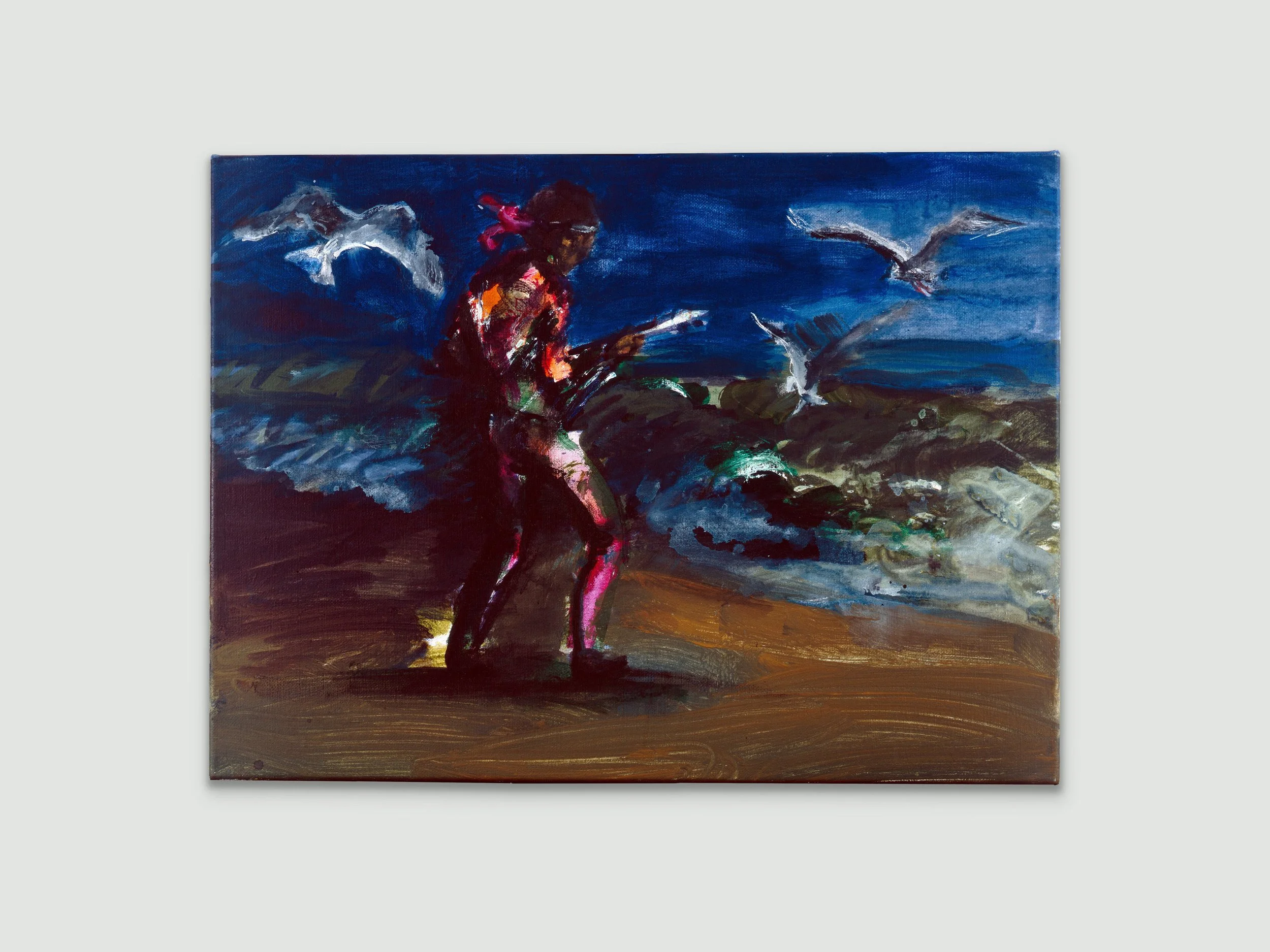
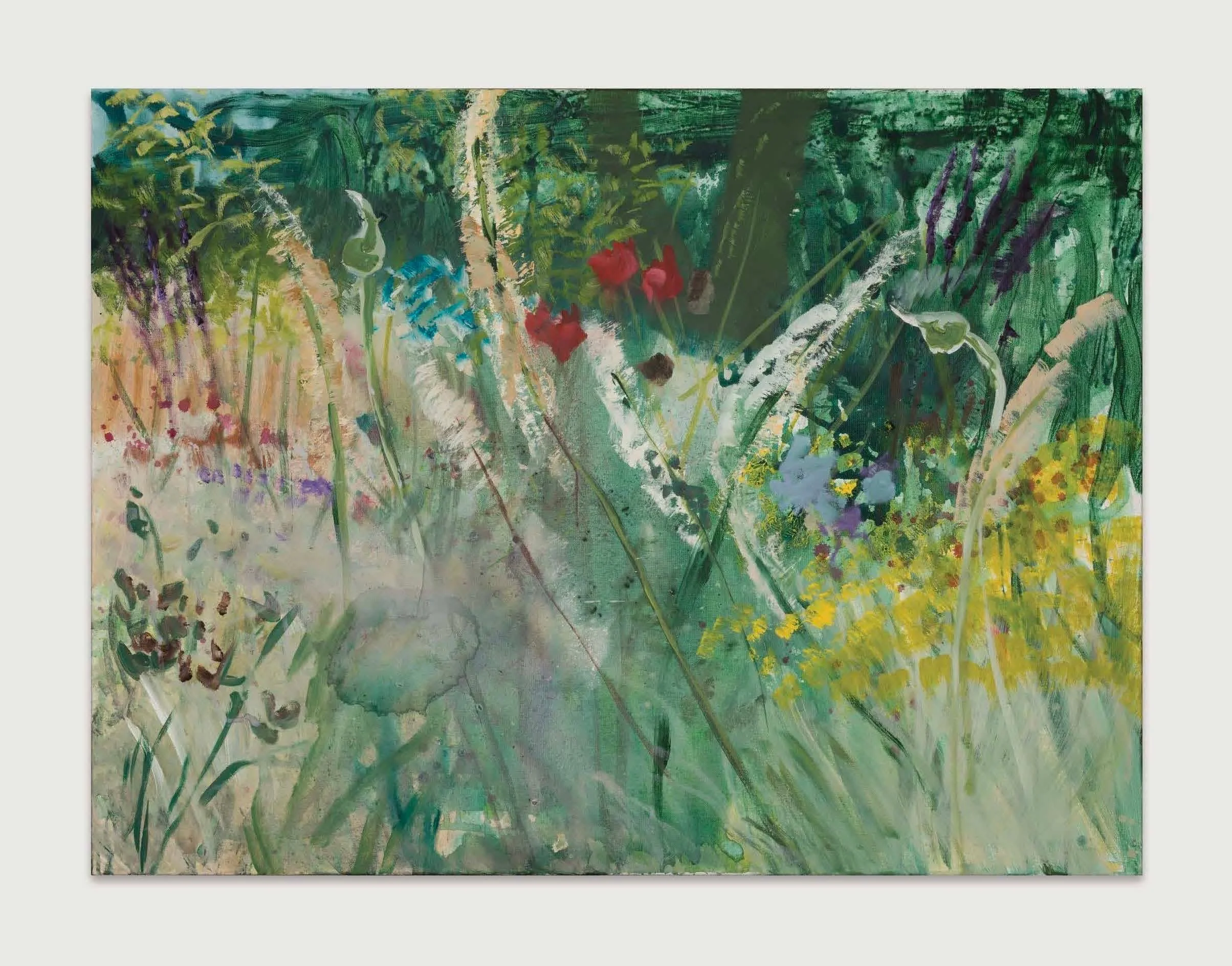
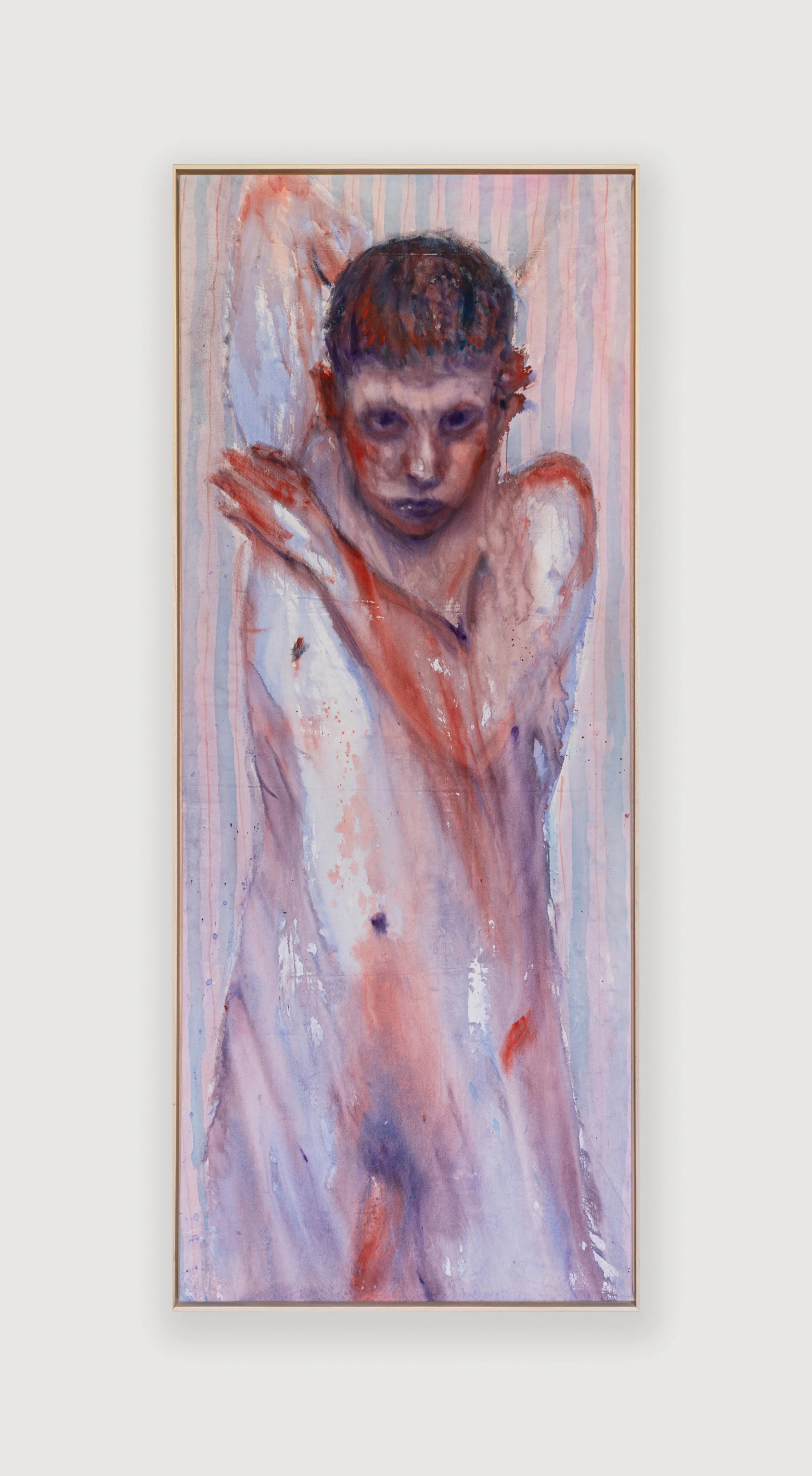
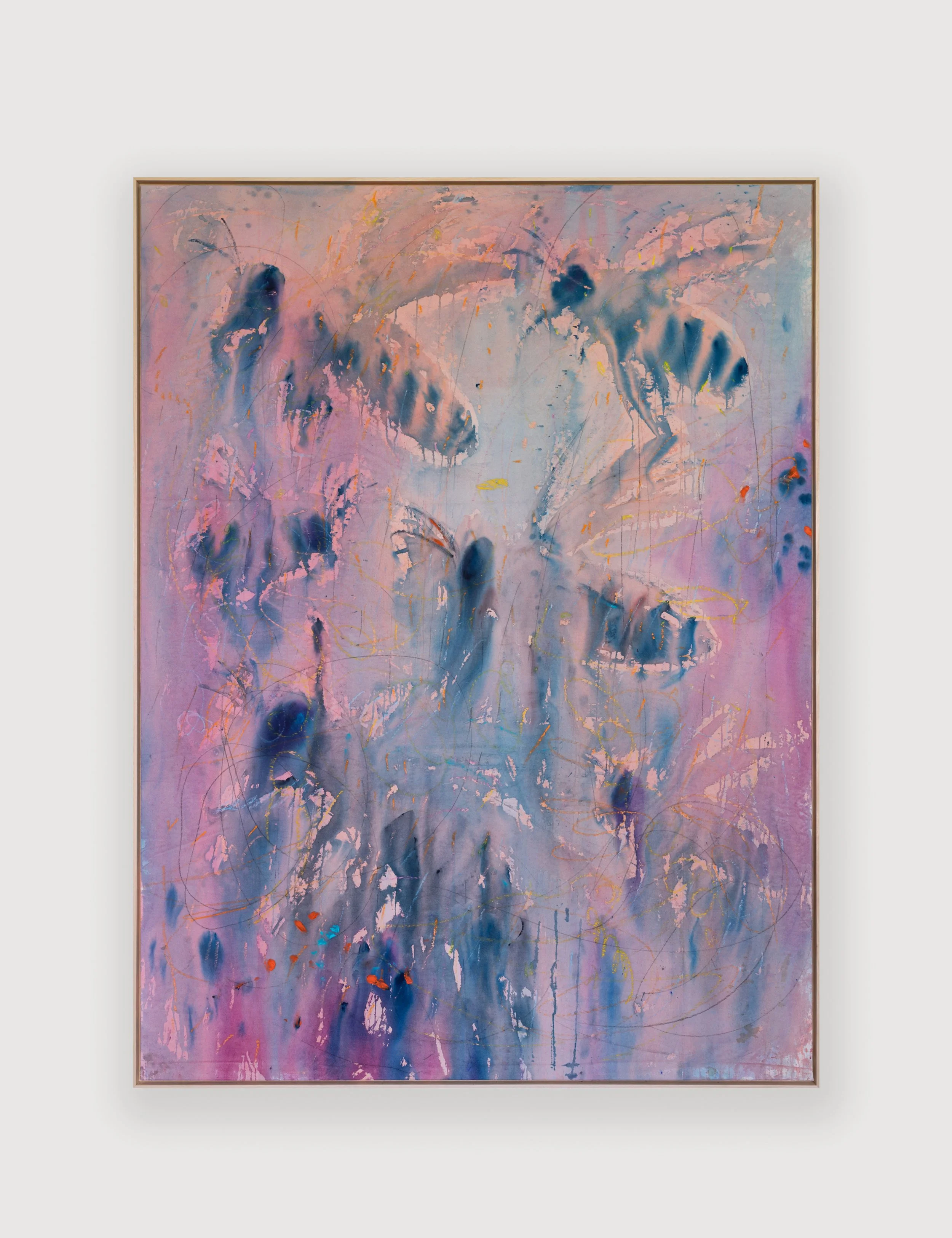
Tender Ground begins with nature and traces the figure within it. Gardens, steppes,
deserts, the North Sea: spaces in which the human body appears, often male, often
exposed, sometimes barely distinguishable from its surroundings. Nature here is neither
background nor setting, but a condition in which identity, desire and perception become
visible. The male figure stands at the centre, not as ideal, but as terrain. As Tender
Ground: permeable, vulnerable, in flux.
Flower painting, garden painting, botanical reference, ecosystem: these classical genres
are revisited by four painters of different generations, with different means and from
different painterly positions, always sensual, always expressive. Bodies inscribe
themselves into landscapes, are shaped by them, or dissolve within them. Between
bloom and decay, visibility and camouflage, a pictorial space emerges in which nature is
not the counterpart of the human, but part of its very condition.
Rainer Fetting has been working since the late 1970s on unresolved territory. Bodies
under tension. Desire, submission, liberation. His portraits, cityscapes and still lifes store
psychosocial energies visible in every painterly decision. The Neue Wilde was never a
question of style. It was a question of attitude. And it is, right now, urgently relevant again.
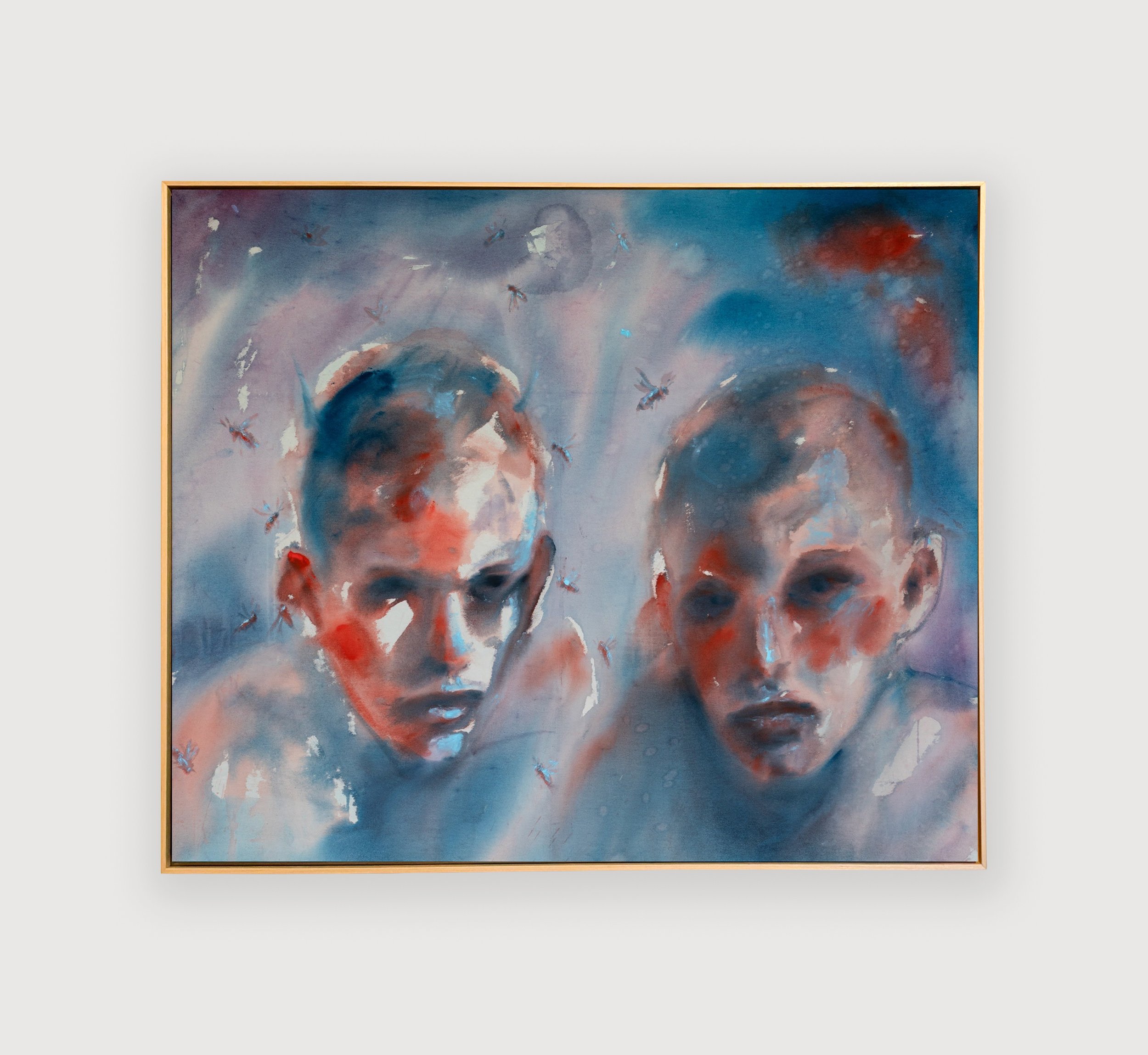
Andrej Dúbravský lives in the Slovak countryside. Fields, insects and seasonal cycles are
part of his visual thinking, not backdrop. In his paintings, bees, pollen, male bodies and
horned beings share the same porous pictorial space. Vegetation accumulates into
ornamental abstraction. Figures are visible and half-camouflaged at once: in waterfalls, in
grass, in bloom. A quietly queer sensibility runs through the work, expanding masculinity
without turning it into statement.
Brandon Lipchik develops his images on the computer and transfers them by hand onto
canvas. Perspectives are deconstructed and layered: drone view, over-the-shoulder,
floating head. Plants, bodies and objects are reduced to hard, abstract shapes, then set
against gestural brushstrokes. Americana as mythically charged pictorial space. Not
driven by belief in progress, but by uncertainty.
Andrej Dúbravský (b. 1987, Nové Zámky, Slovakia) lives and works in Rastislavice,
Slovakia, and New York, USA.
Inspired by a rural perspective from the organic garden and studio he maintains in
countryside of southwest Slovakia, Dúbravský creates depictions of idyllic landscapes,
silhouetted skylines of factories, self-portraits, animal portraits, and studies of male
figures that confront timely issues of agriculture, industry, politics, identity, and sexuality.
The works reflect an “ethical hedonism” and sustain utopian ideals under rather dystopian
conditions. The artist’s paintings articulate his reflections in empathetic yet unsparing
studies of the environment and its devastation, of man and nature. His broad art-historical
repertoire is reflected by his most recent works, which explore contemporary versions of
classical subjects such as the landscape or the nude—quite seriously and diligently in
some instances, with aloof irony in others. The muted colors seem almost conservative
until the beholder notes the contemporary and post-traditional context in which the
paintings are set.
Rainer Fetting (b. 1949, Wilhelmshaven, Germany) lives and works in Berlin, Germany.
Fetting achieved international recognition with the “New Wild Ones” in the early 1980s.
Hardly any movement in post-war Germany’s history of painting has been both as fiercely
celebrated and as ferociously ostracized, as the so-called „Heftige Malerei“ („Fierce
Painting“) that emerged in West Berlin’s art scene in the late 1970s and early 1980s. With
its elements of Expressionist painting, his art formed in opposition to the conventions of
Abstract and Conceptual Art toward the end of the 1970s is highly topical again today.
Fetting’s artwork is a highly significant precursor for the “queer” discourses on gender,
identity, the individual, and power that not only shape the works of younger generations in
our globalized art world but also current mainstream debates. His “expressive” portraits,
cityscapes, and landscapes as well as the still life paintings capture psychosocial
energies that are evident in every painterly decision he makes. Recurring themes of his
paintings are power, the reciprocal relationship between painter and muse, the individual
versus collective norms, desire, objectification, submission, and the liberation of the body.
Since the early days of his career, Rainer Fetting is preoccupied with precisely unresolved
territories in painting that can never provide clear answers or certainties, but instead pose
a multitude of questions, create conflicts and uncertainties.
Brandon Lipchik (b. 1993 Erie, USA) lives and works in Paris, France .
Brandon Lipchik’s images, rendered on the computer and then transferred to canvas by
hand, deconstruct different perspectives and layer them together to create a multi-
perspective visual collage. His works are reminiscent of footage from CCTV cameras that
monitor a room from various angles or drones circling a subject.
“When I paint, I realize how much control I have over perspective. Just like a filmmaker, I
determine what the viewer should see — whereas the filmmaker is limited to what the
camera or physics provide. I often use a floating head perspective or an over-the-
shoulder view to literally look down on the character, as in a movie, or to emphasize that
they are being observed. You could even say that I provide an out-of-body or spiritual
view of my simulated characters,” Lipchik says.
The often garishly lit, vividly colored, multi-perspective images echo typical tropes of
Americana, yet as mythically charged pop culture sites. Lipchik deconstructs bodies,
spaces, plants, objects, and fauna, reducing them to rudimentary, abstract, hard-edged
shapes, while juxtaposing them with painterly, softer mark-making and gestural
brushstrokes. His figures are reminiscent of early computer animation. Undoubtedly,
Lipchik’s paintings also explore the concept of “machine people” — new connections
between the organic, technology, and AI — and an era poised to radically transform
humanity, relationships, and art. However, this Modernism 2.0 is not driven by the belief in
progress and the optimism of the early 20th century but rather by uncertainty. His scenes
are fantastical, grotesque, and decadent, forming a kaleidoscopic visual language where
myth, technology, and magic intersect.
Opening
27 June 2026
6 – 9 PM
Exhibition on view
28 June – 25 July 2026
For more information, please contact the gallery: mail@robertgrunenberg.com