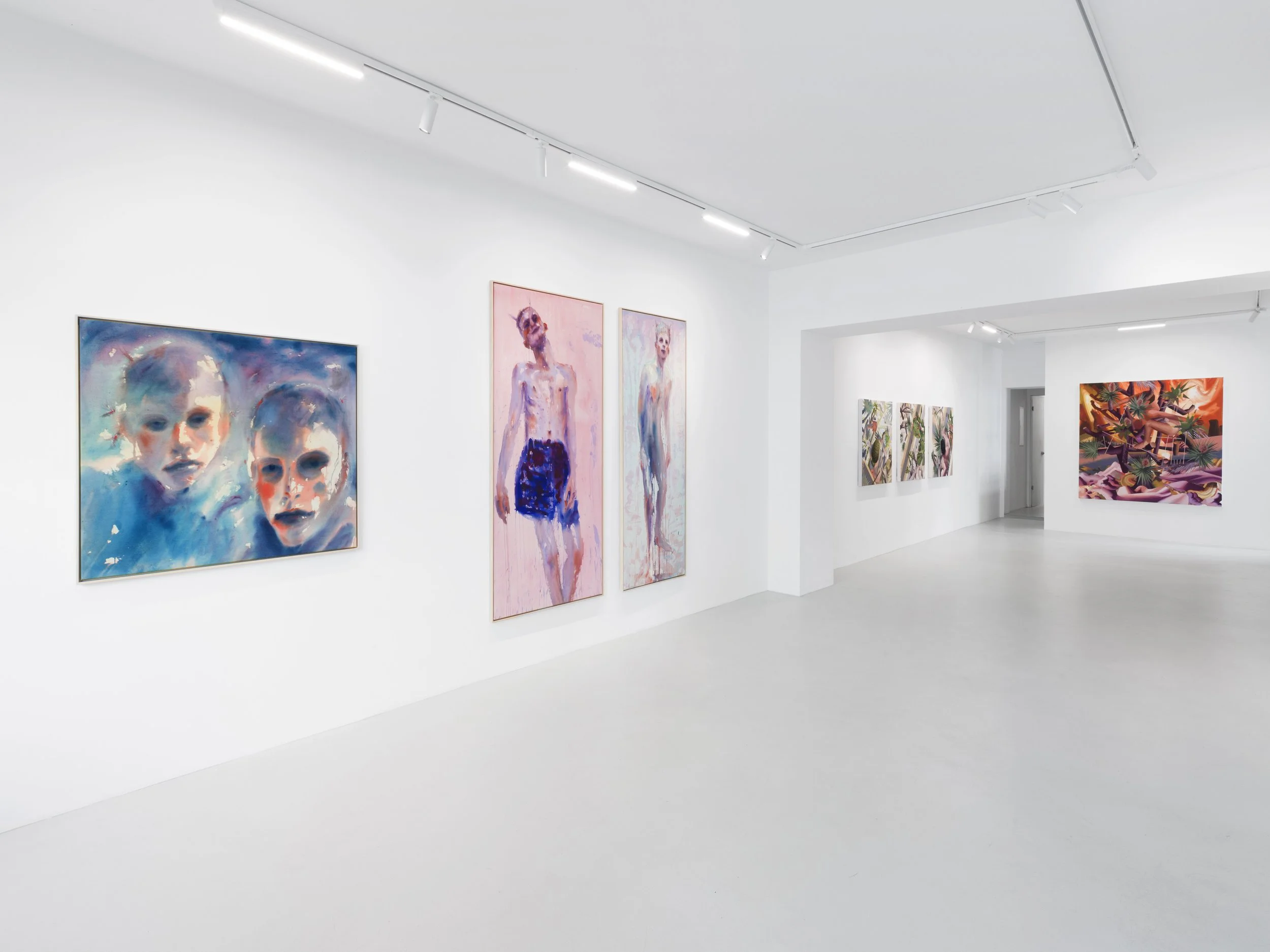
Robert Grunenberg is delighted to present the exhibition “Tender Ground” by Andrej Dúbravský, Rainer Fetting & Brandon Lipchik
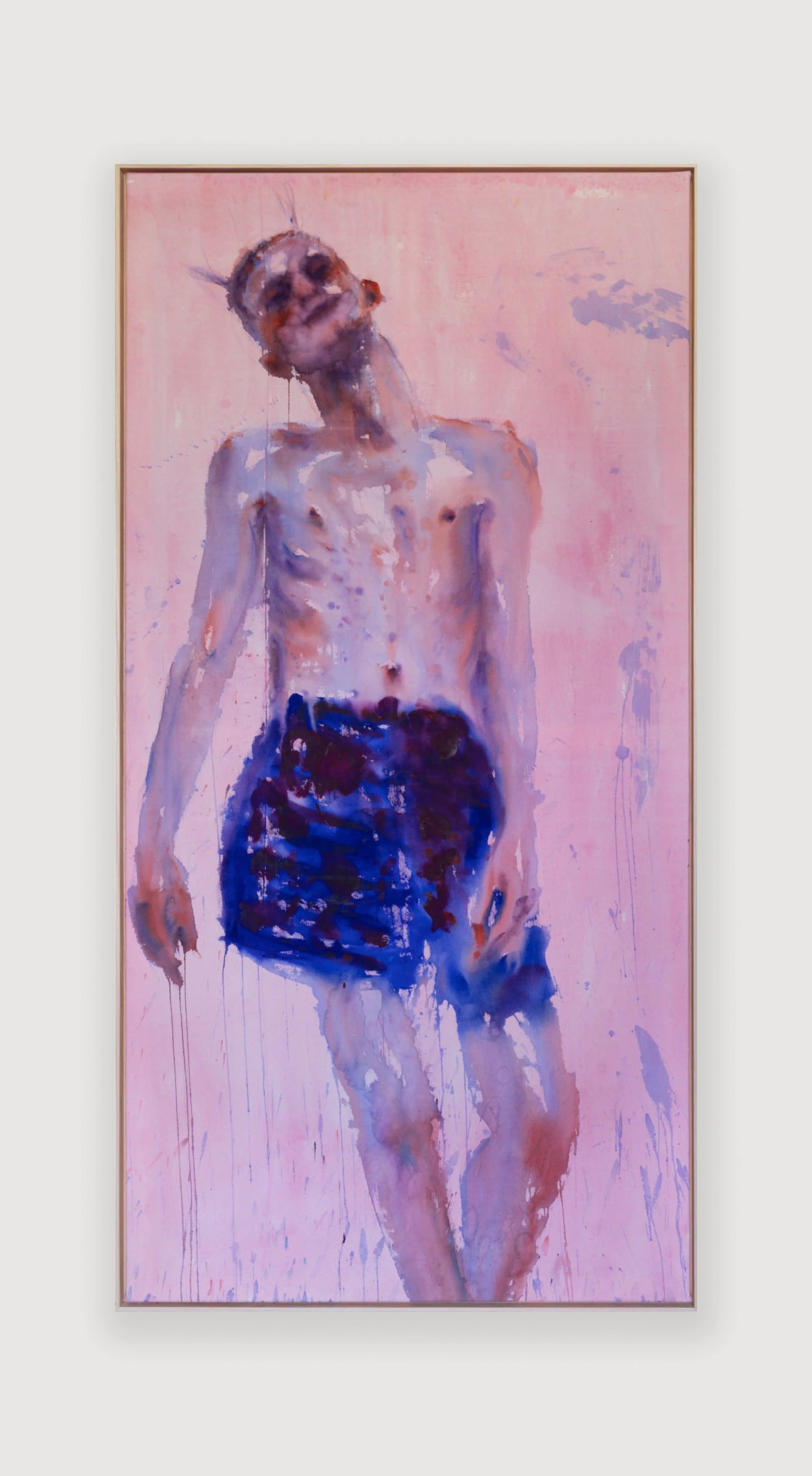
Andrej Dúbravský, The Rest Interval, 2026, Acrylic and oil pastel on canvas, 200 x 100 cm, 78¾ × 39⅜ in. Courtesy DITTRICH & SCHLECHTRIEM, Berlin @dittrichschlechtriem
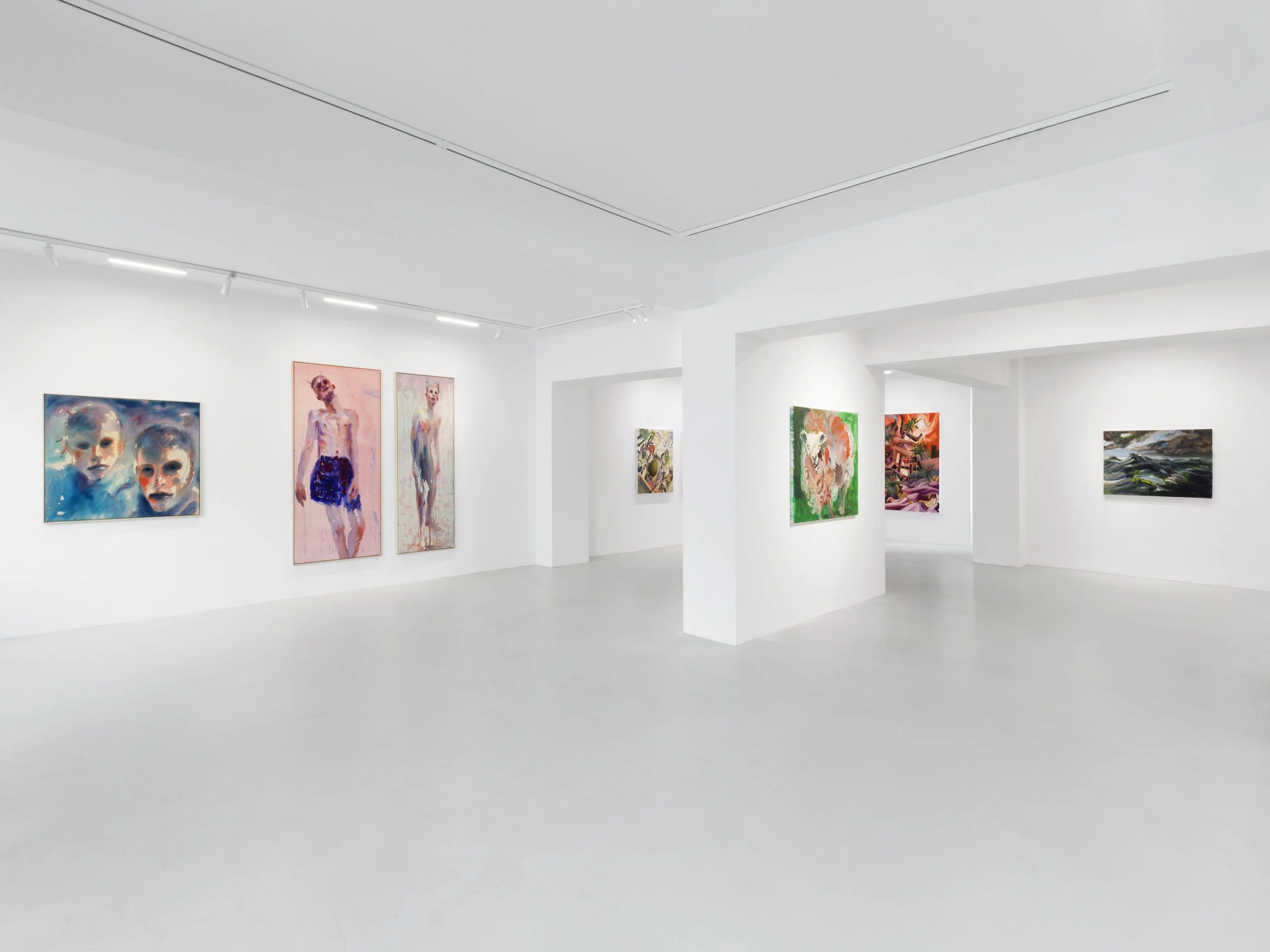
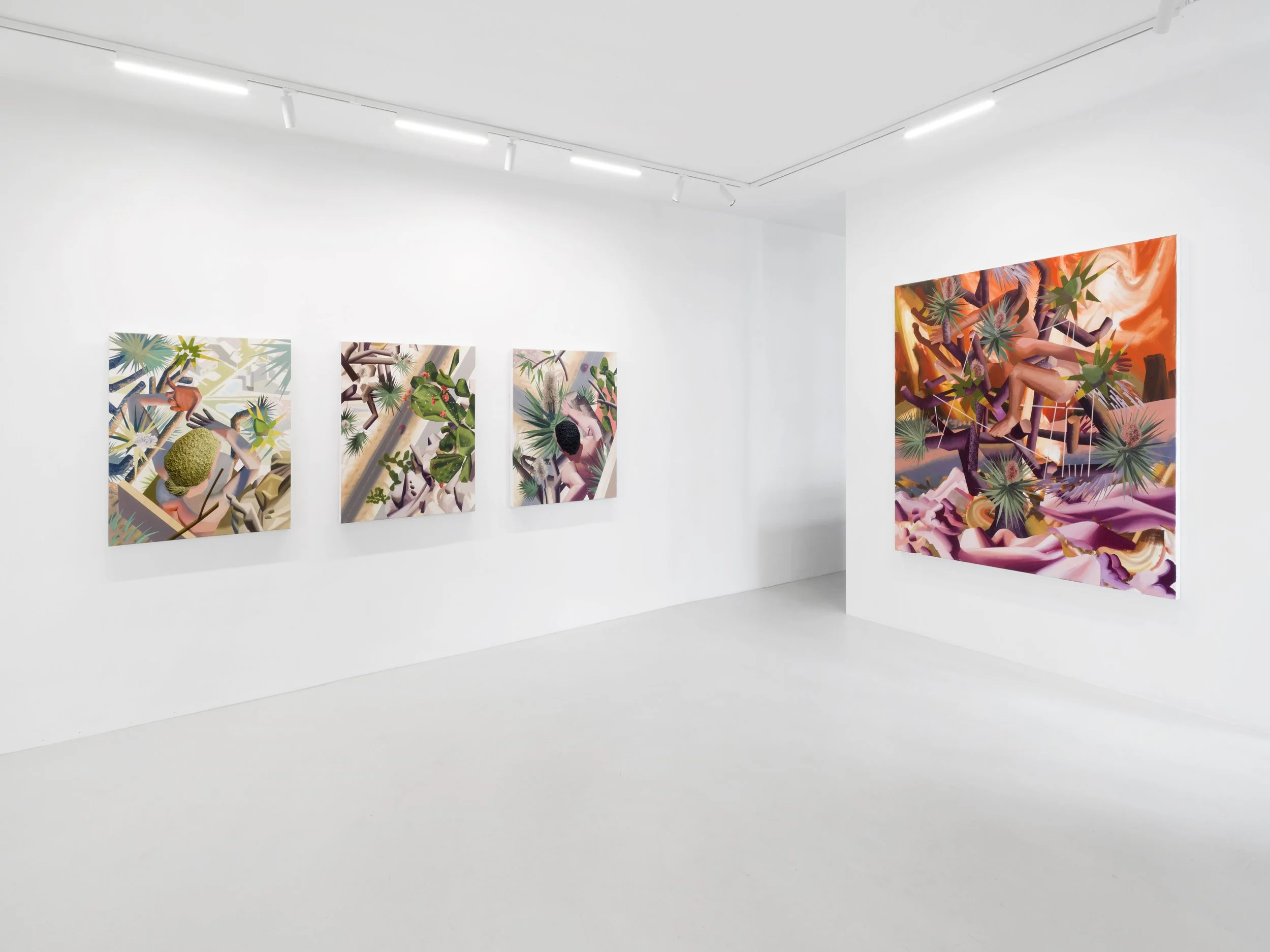
Tender Ground, Installation View, Robert Grunenberg, Berlin, 2026
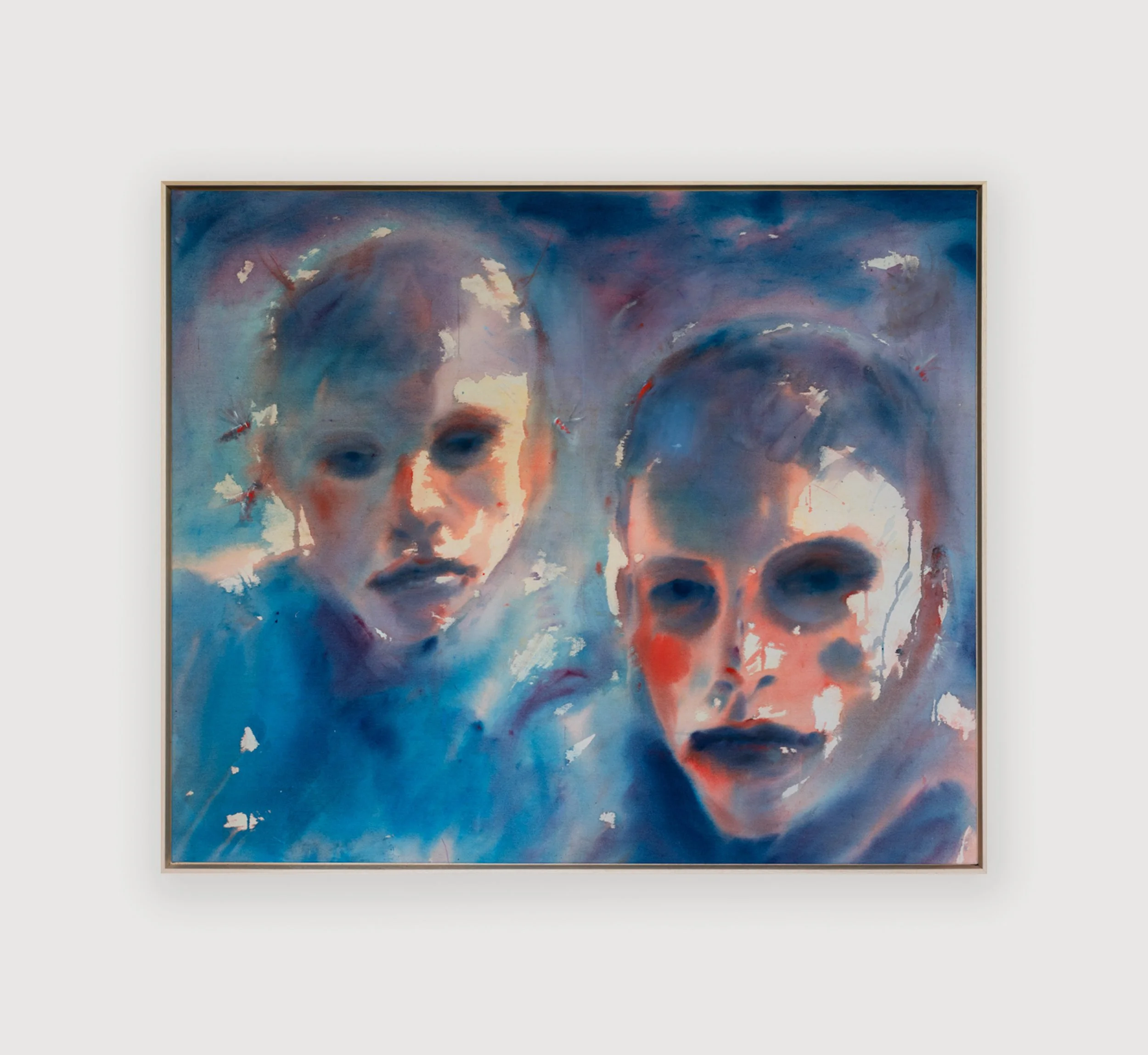
Andrej Dúbravský, How Do (Good) July Garden Barbecues End?, 2026, Acrylic and oil pastel on canvas, 100 x 120 cm, 39⅜ × 47¼ in. Courtesy DITTRICH & SCHLECHTRIEM, Berlin @dittrichschlechtriem
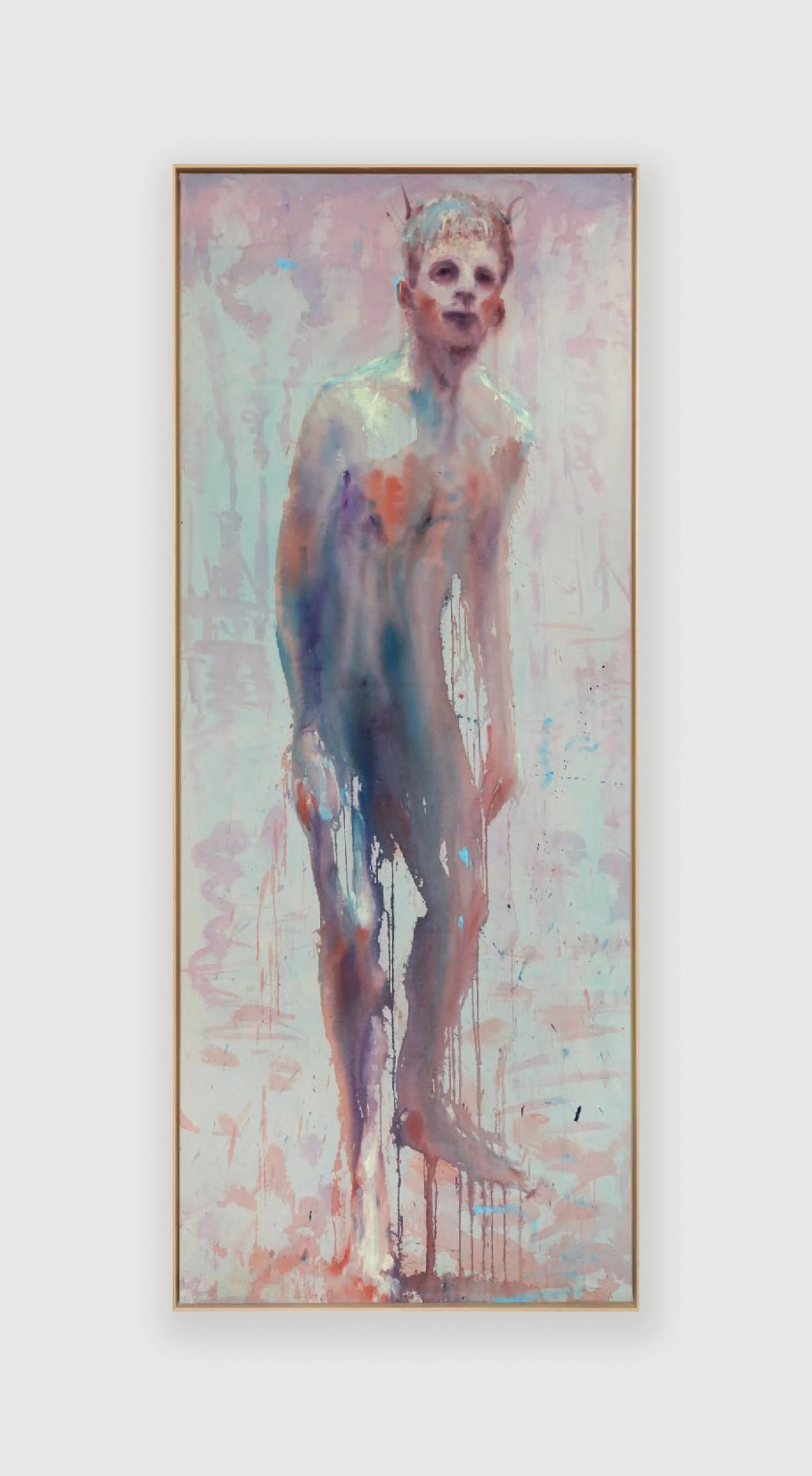
Andrej Dúbravský, Discussion on the Beach About the Factory on the Other Side of the Lake, 2026, Acrylic and oil pastel on canvas, 200 x 800 cm, 78¾ × 31½ in. Courtesy DITTRICH & SCHLECHTRIEM, Berlin @dittrichschlechtriem
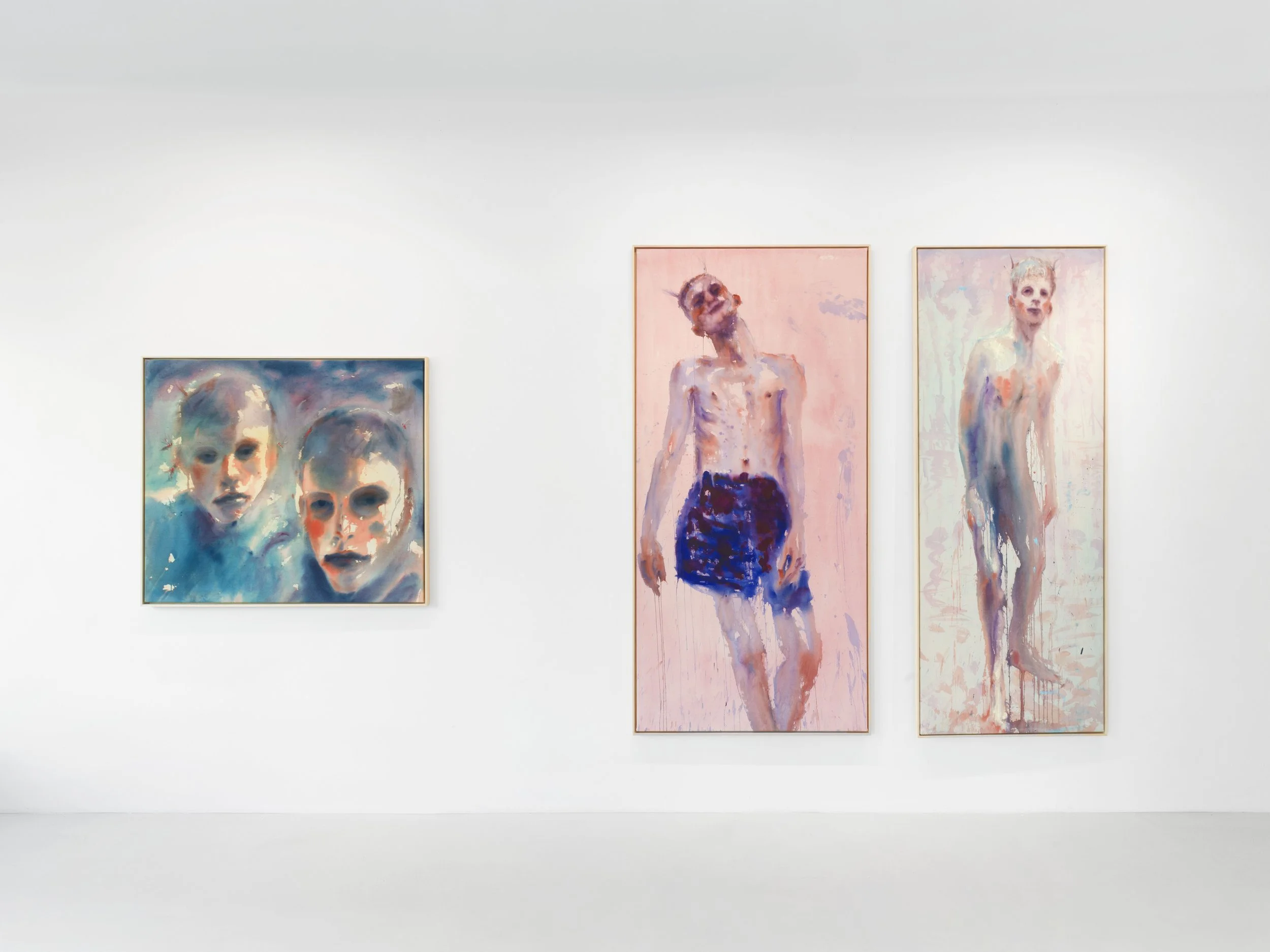
Tender Ground, Installation View, Robert Grunenberg, Berlin, 2026
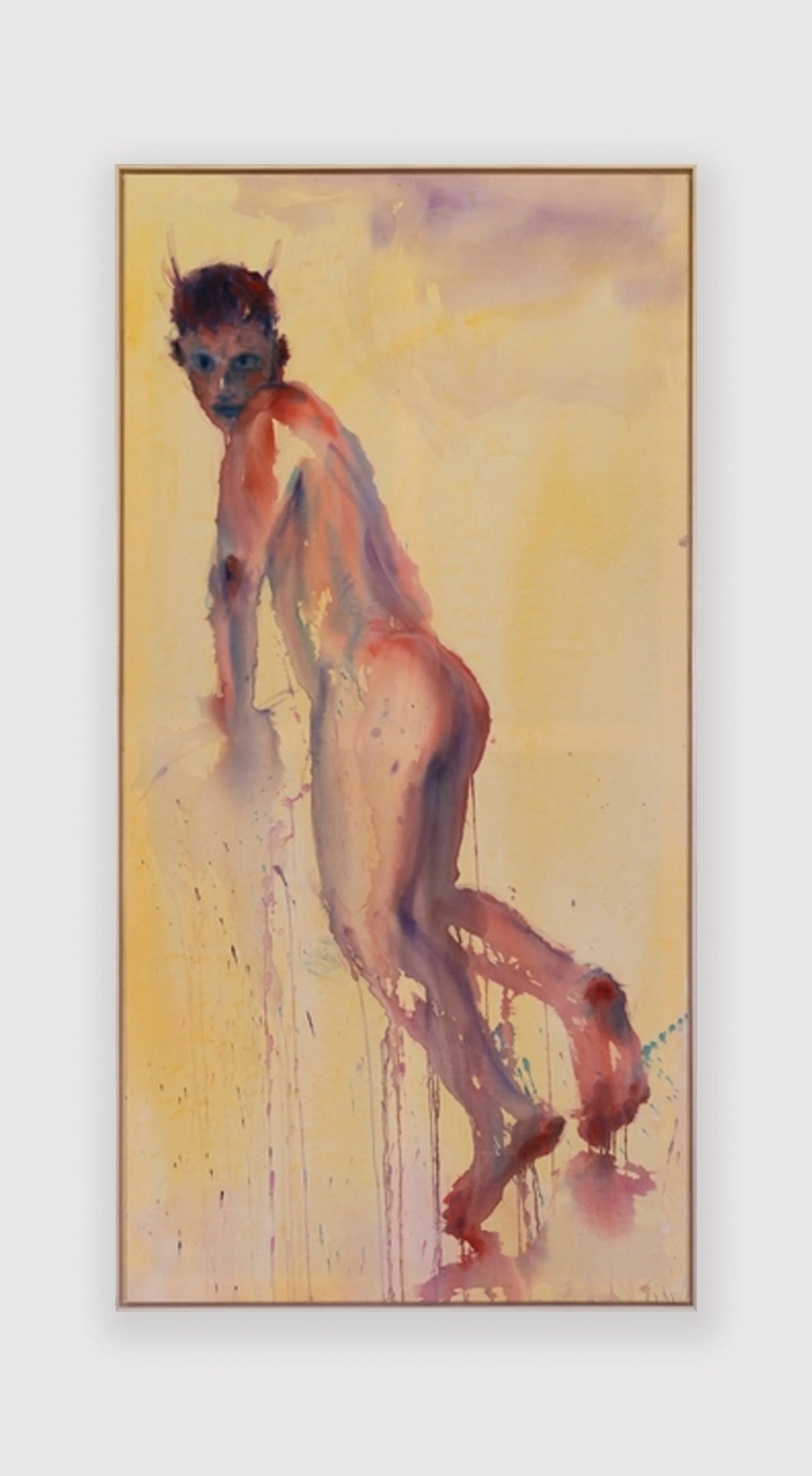
Andrej Dúbravský, Anal Demon, 2026, Acrylic and oil pastel on canvas, 200 x 100 cm, 78¾ × 39⅜ in. Courtesy DITTRICH & SCHLECHTRIEM, Berlin @dittrichschlechtriem
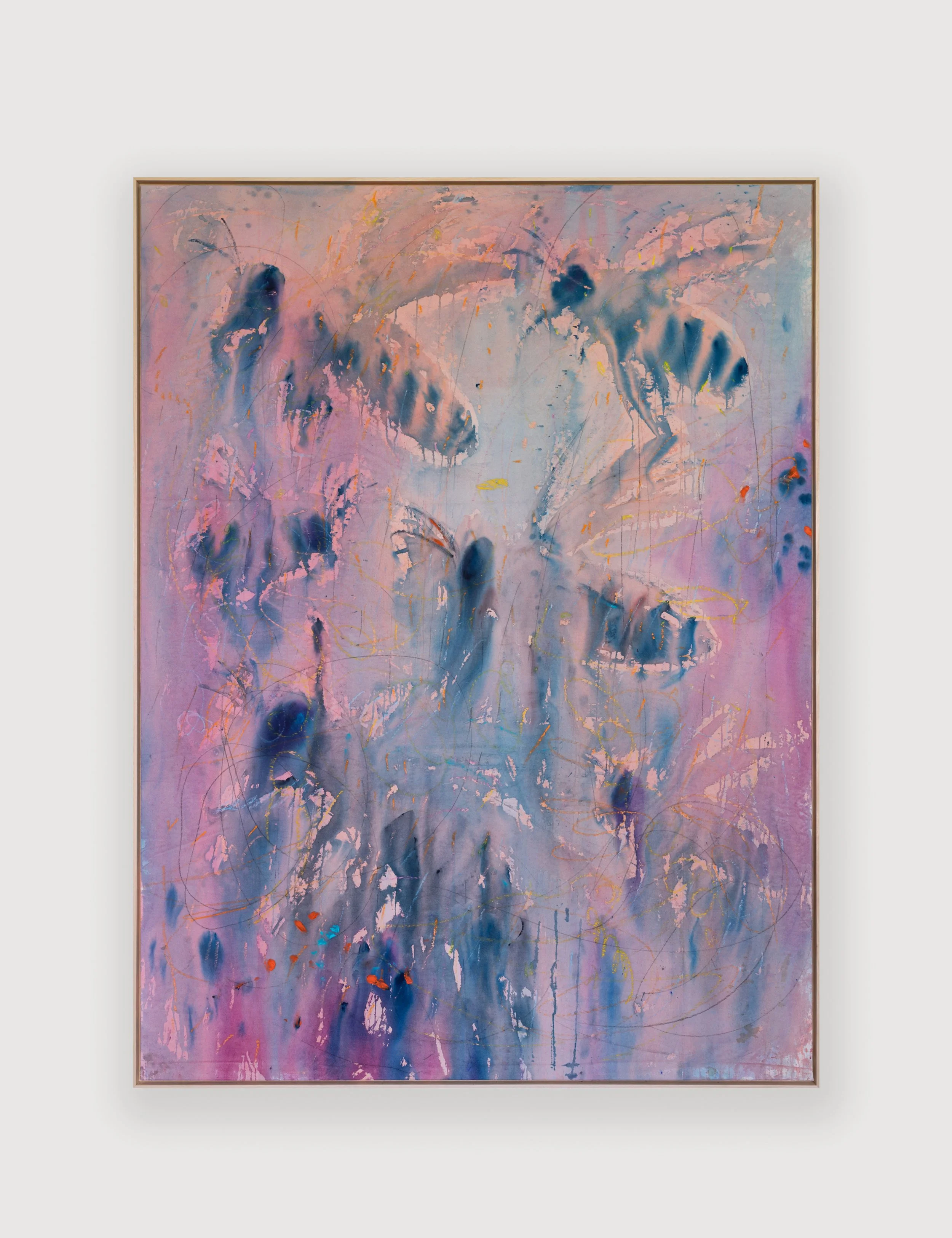
Andrej Dúbravský, The Garden Barbecue Is in Full Swing Even Before Sunset, 2026, Acrylic and oil pastel on canvas, 200 x 150 cm, 78¾ × 59 in. Courtesy DITTRICH & SCHLECHTRIEM, Berlin @dittrichschlechtriem
Tender Ground, Installation View, Robert Grunenberg, Berlin, 2026
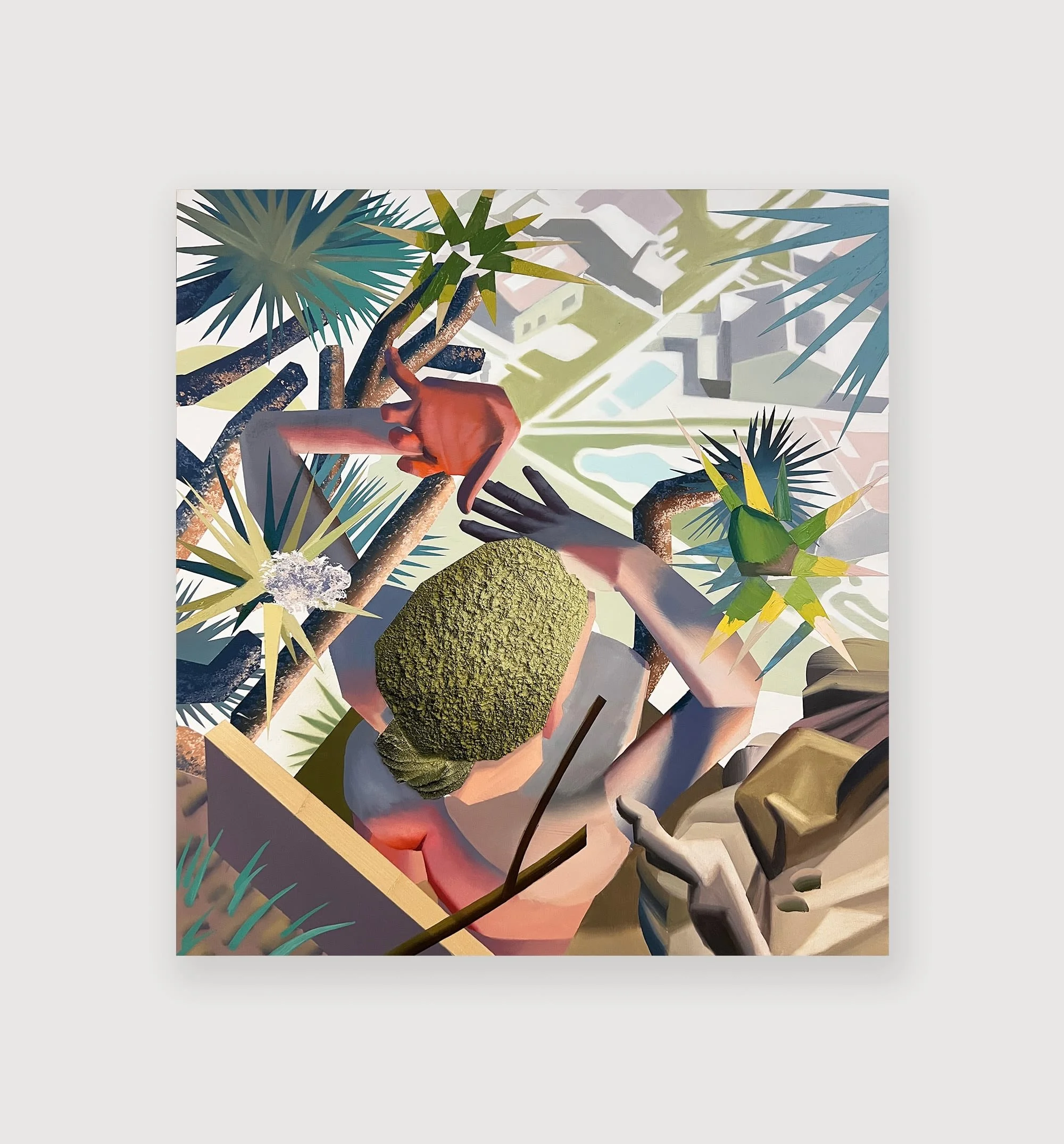
Brandon Lipchik, Backyard Sightline, 2026, Oil on canvas, 100 x 93 cm, 39 ⅜ x 36 ⅝ in
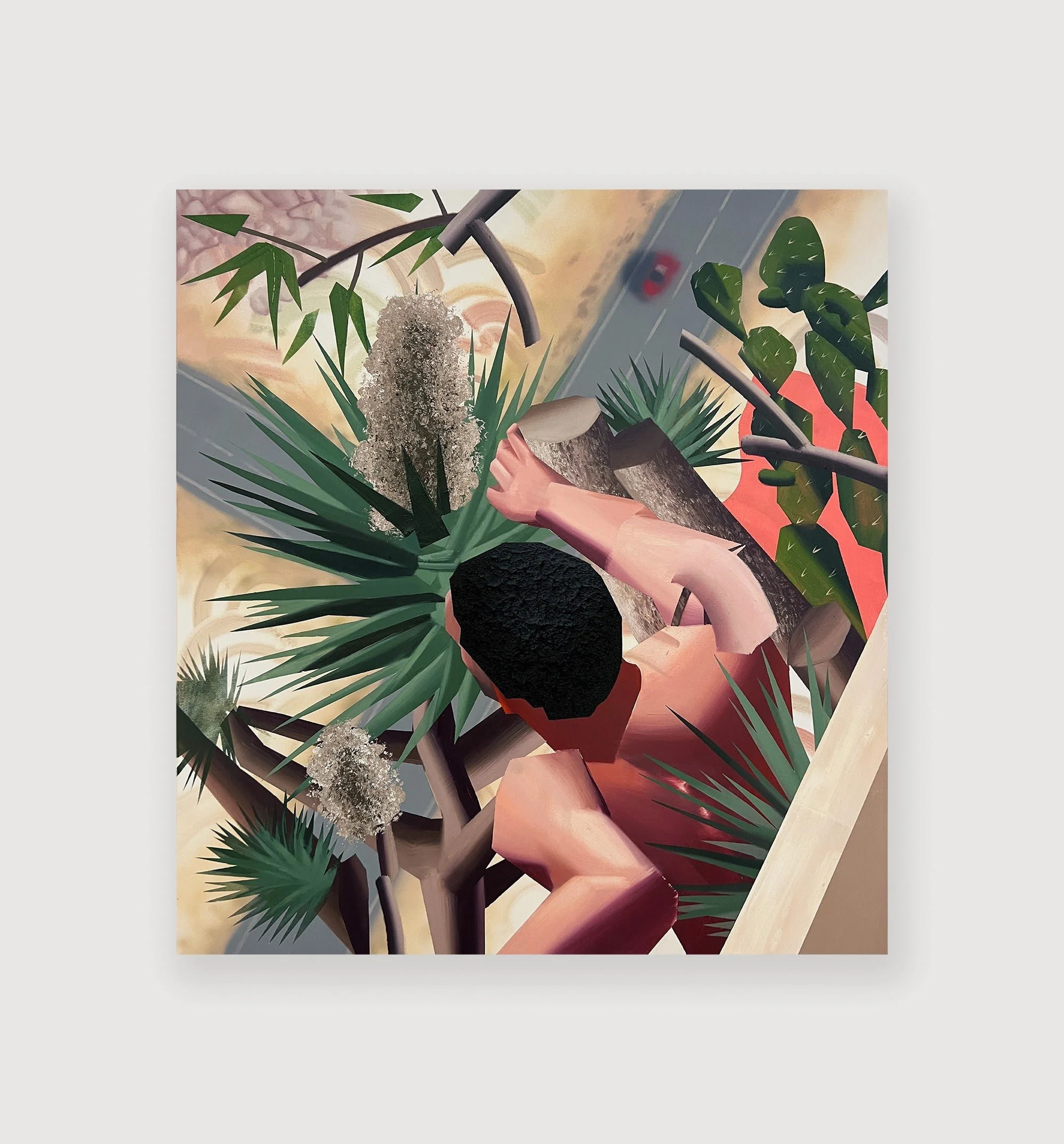
Brandon Lipchik, Overlooking Crossroads, 2026, Oil on canvas, 100 x 93 cm, 39 ⅜ x 36 ⅝ in
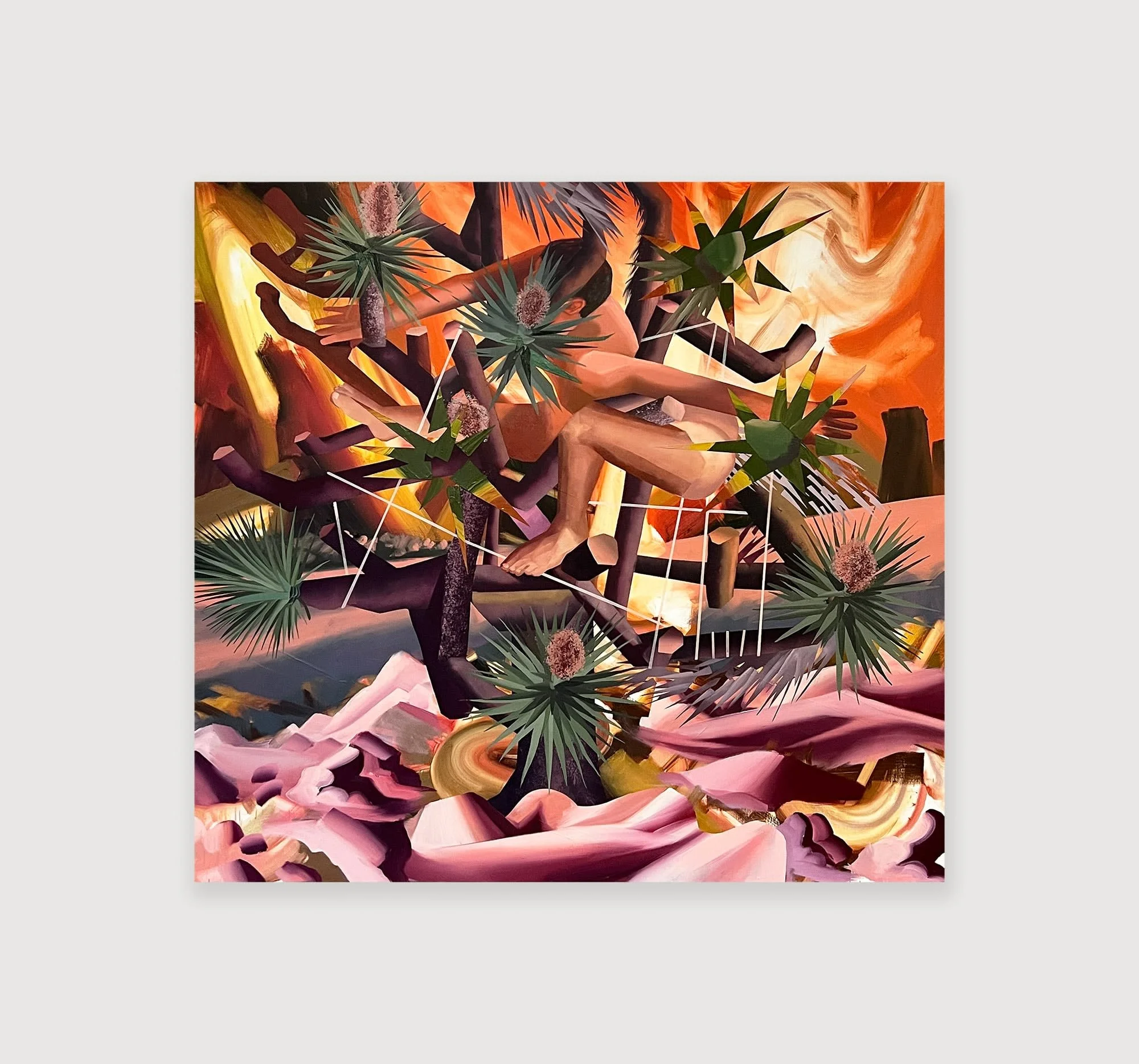
Brandon Lipchik, Orange Skies over Liquid Dessert, 2026, Oil on canvas, 170 x 182 cm, 66 ⅞ x 71 ⅝ in
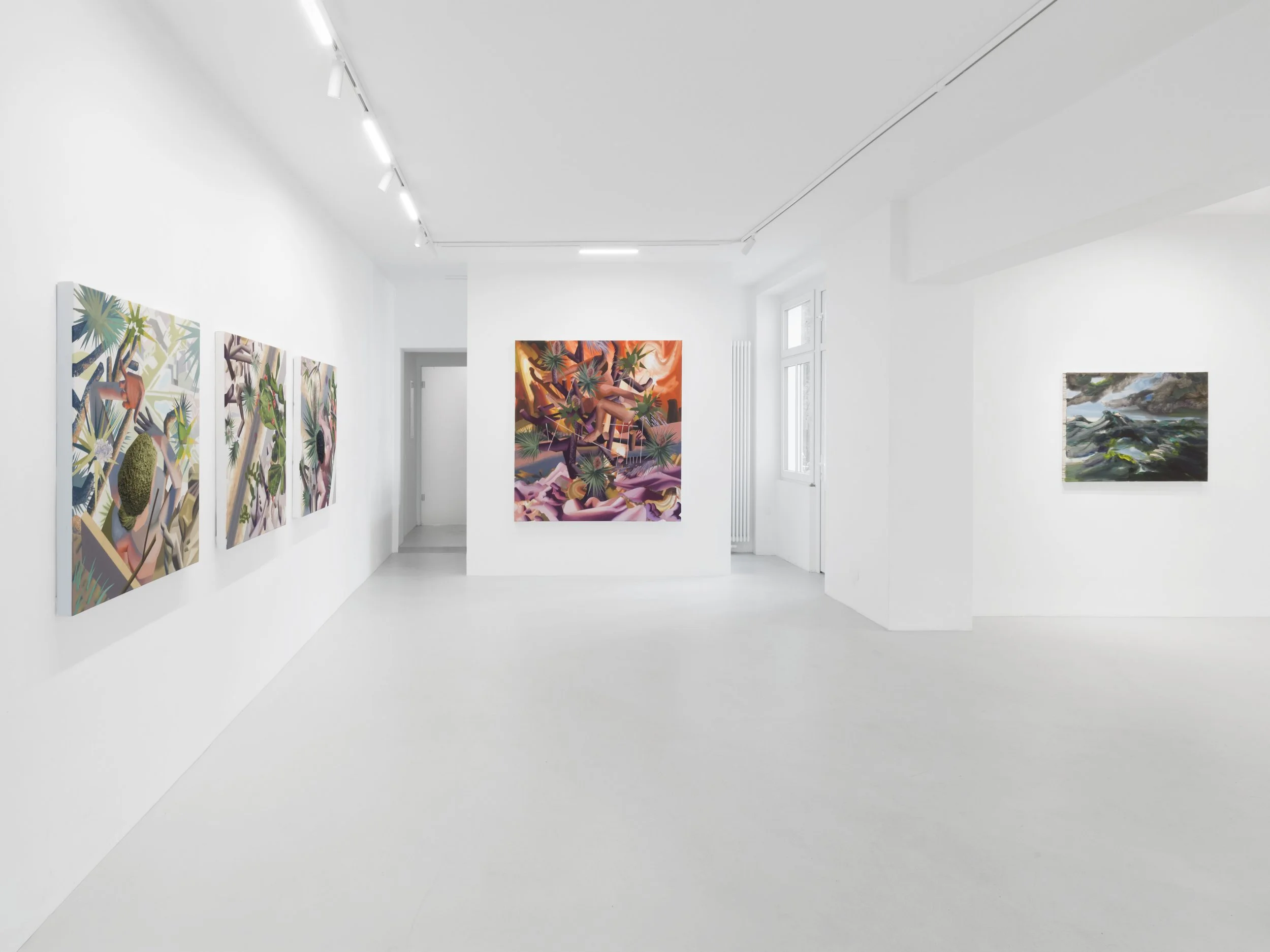
Tender Ground, Installation View, Robert Grunenberg, Berlin, 2026
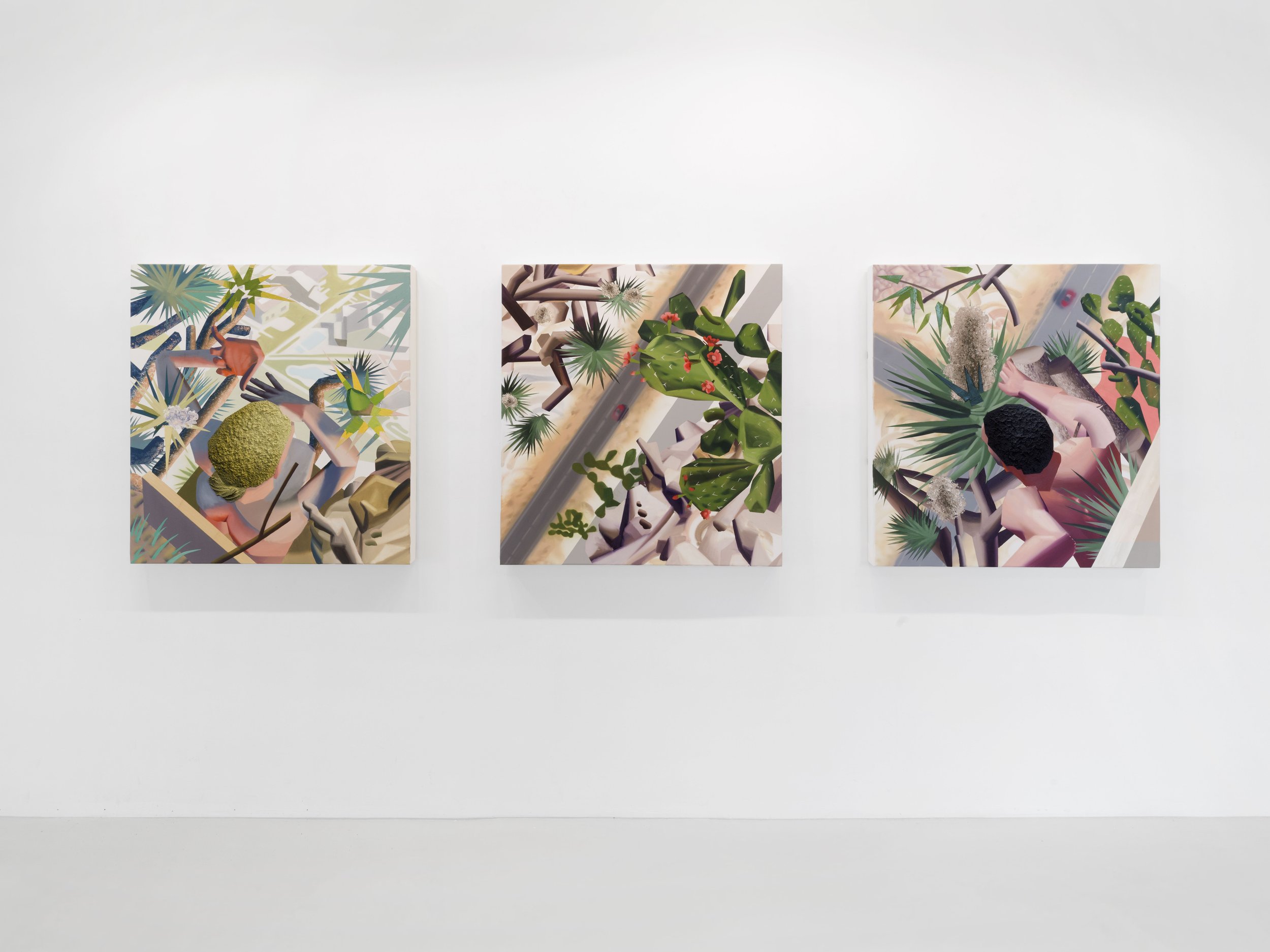
Tender Ground, Installation View, Robert Grunenberg, Berlin, 2026
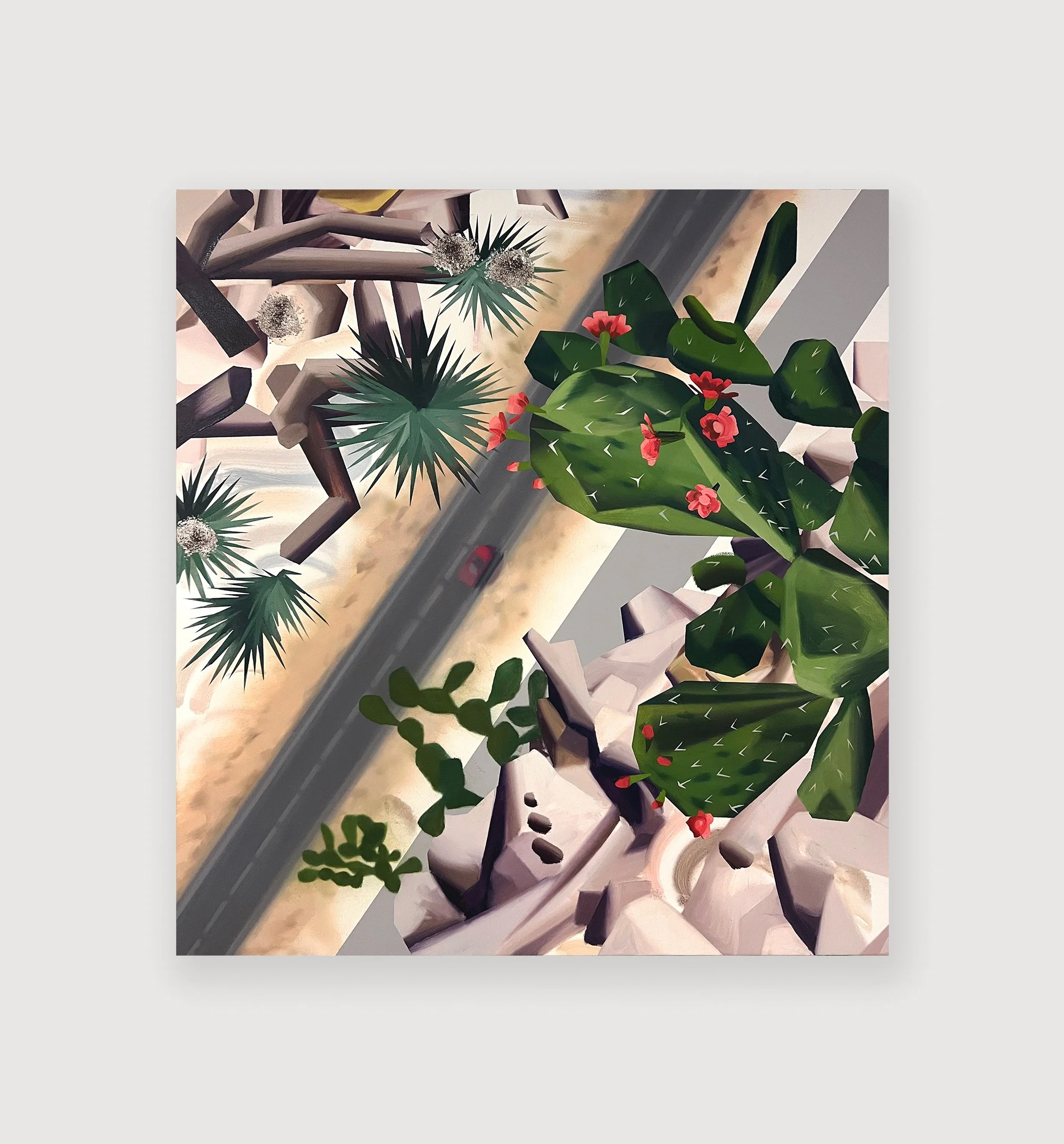
Brandon Lipchik, Cacti Overlooking Crossroad, 2026, Oil on canvas, 100 x 93 cm, 39 ⅜ x 36 ⅝ in
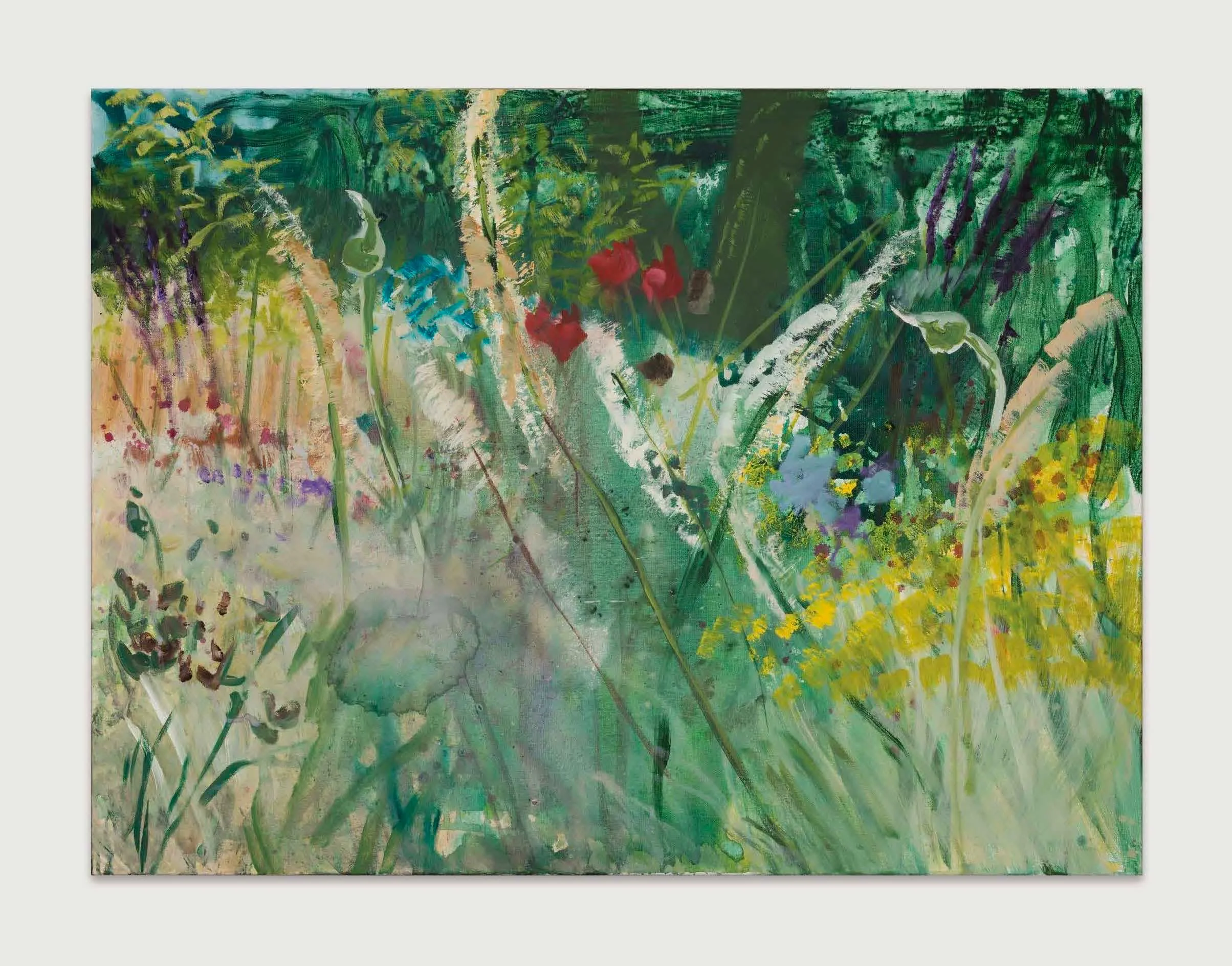
Rainer Fetting, Steppengarten Tiergarten, 2021, Acrylic on canvas, 120 x 160 cm, 47 ¼ x 63 in
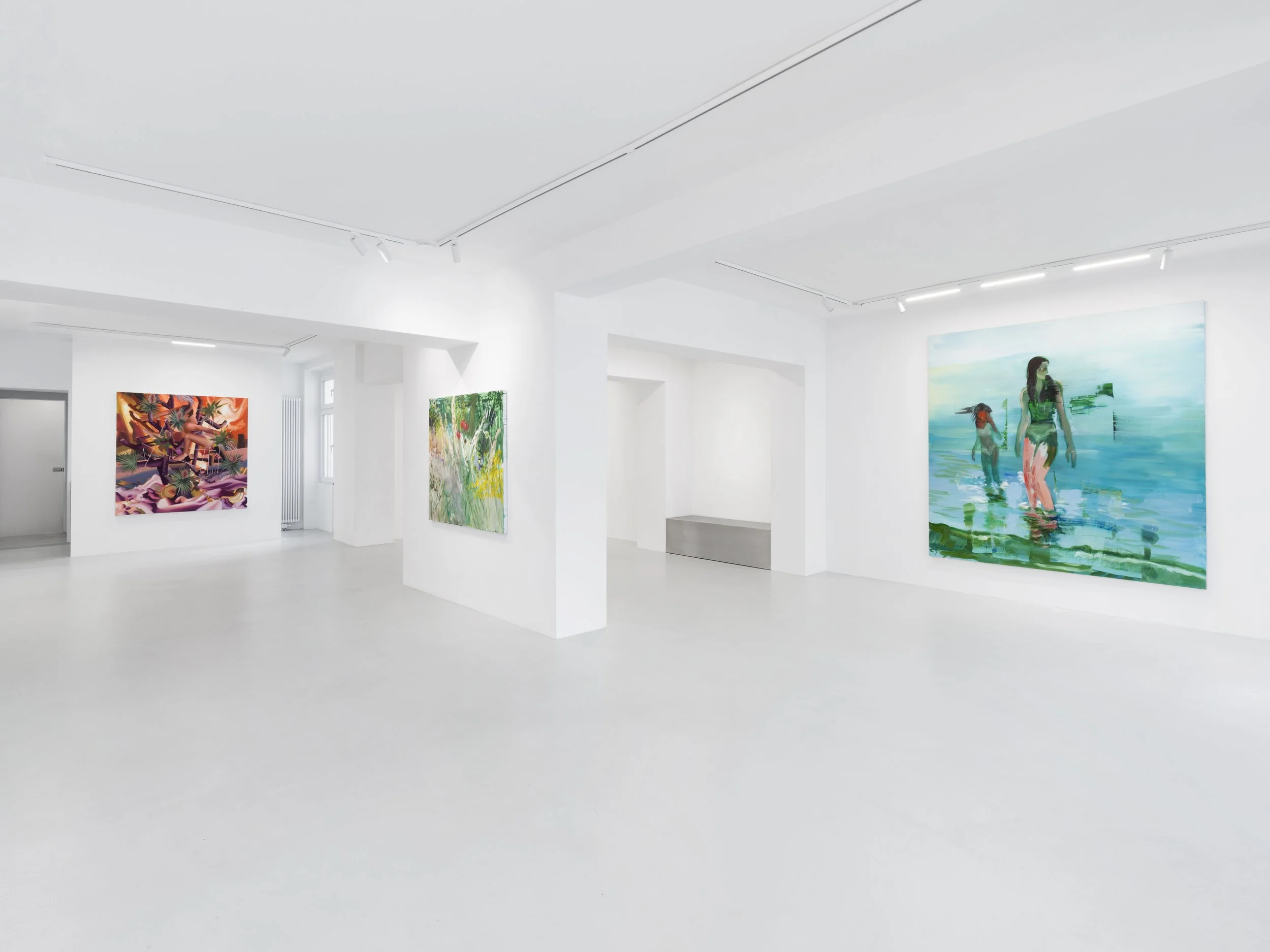
Tender Ground, Installation View, Robert Grunenberg, Berlin, 2026
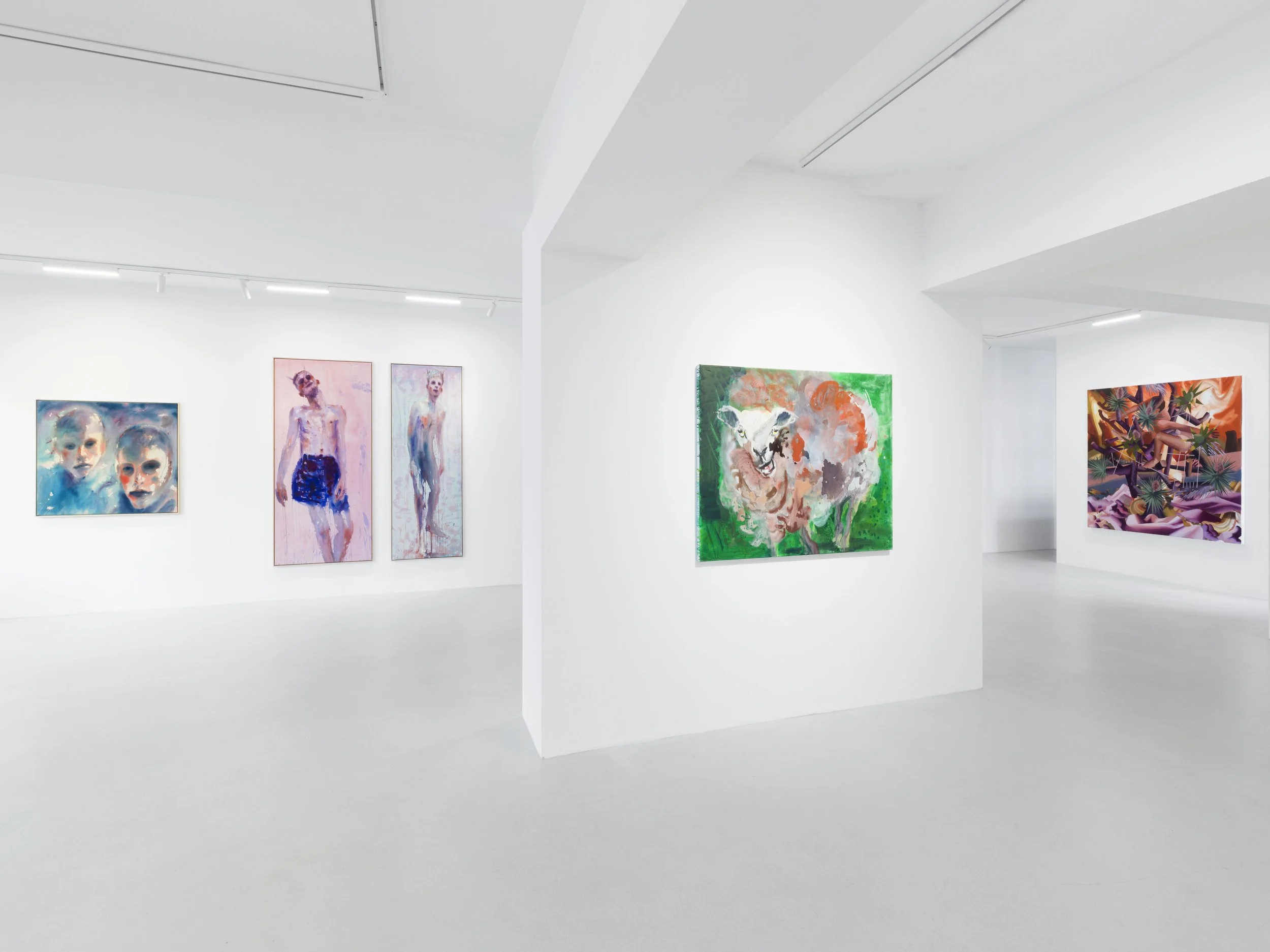
Tender Ground, Installation View, Robert Grunenberg, Berlin, 2026
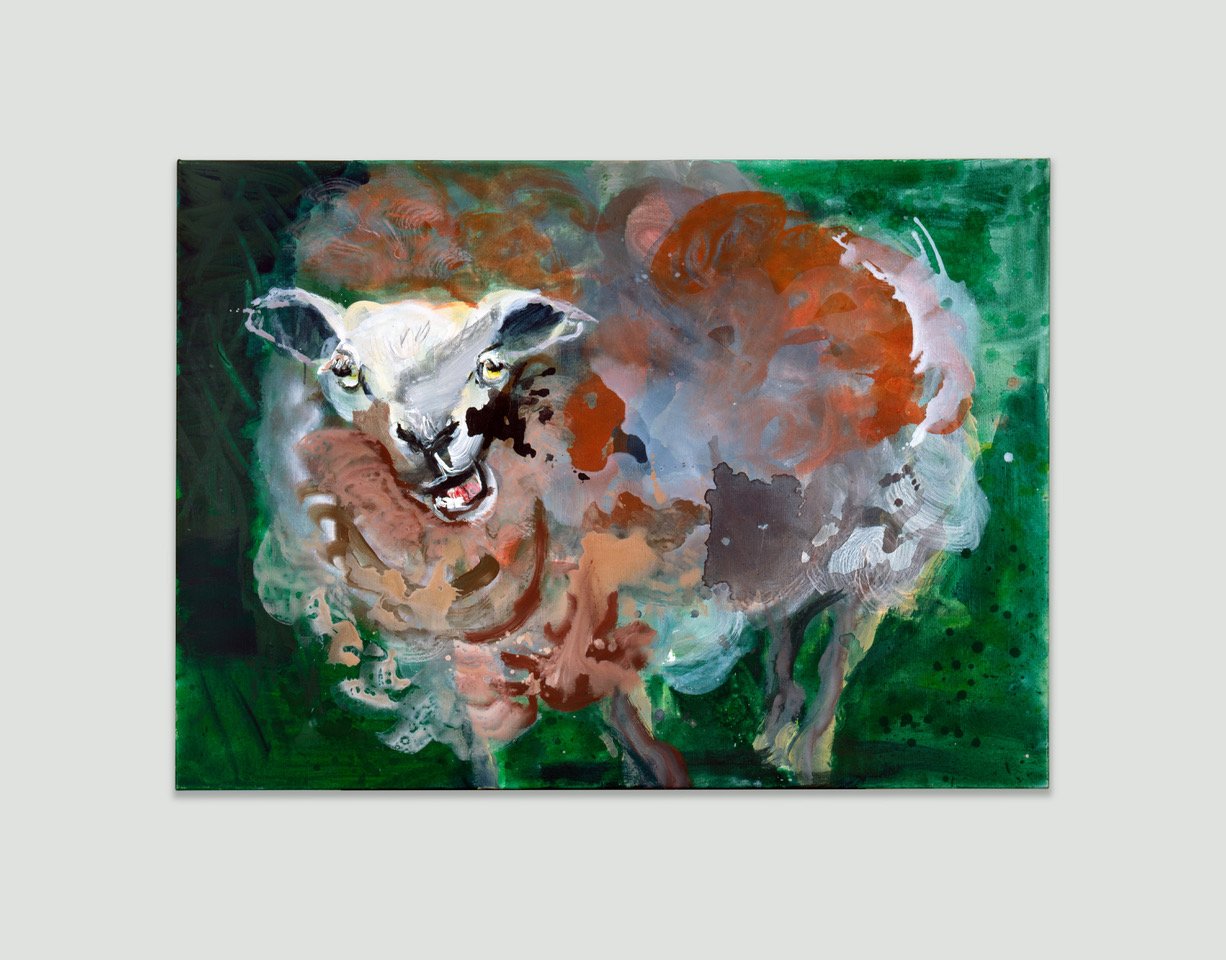
Rainer Fetting, Sylt-Schaf, 2014, Acryl auf Leinwand, 100 x 140 cm, 39 ⅜ x 55 ⅛ in
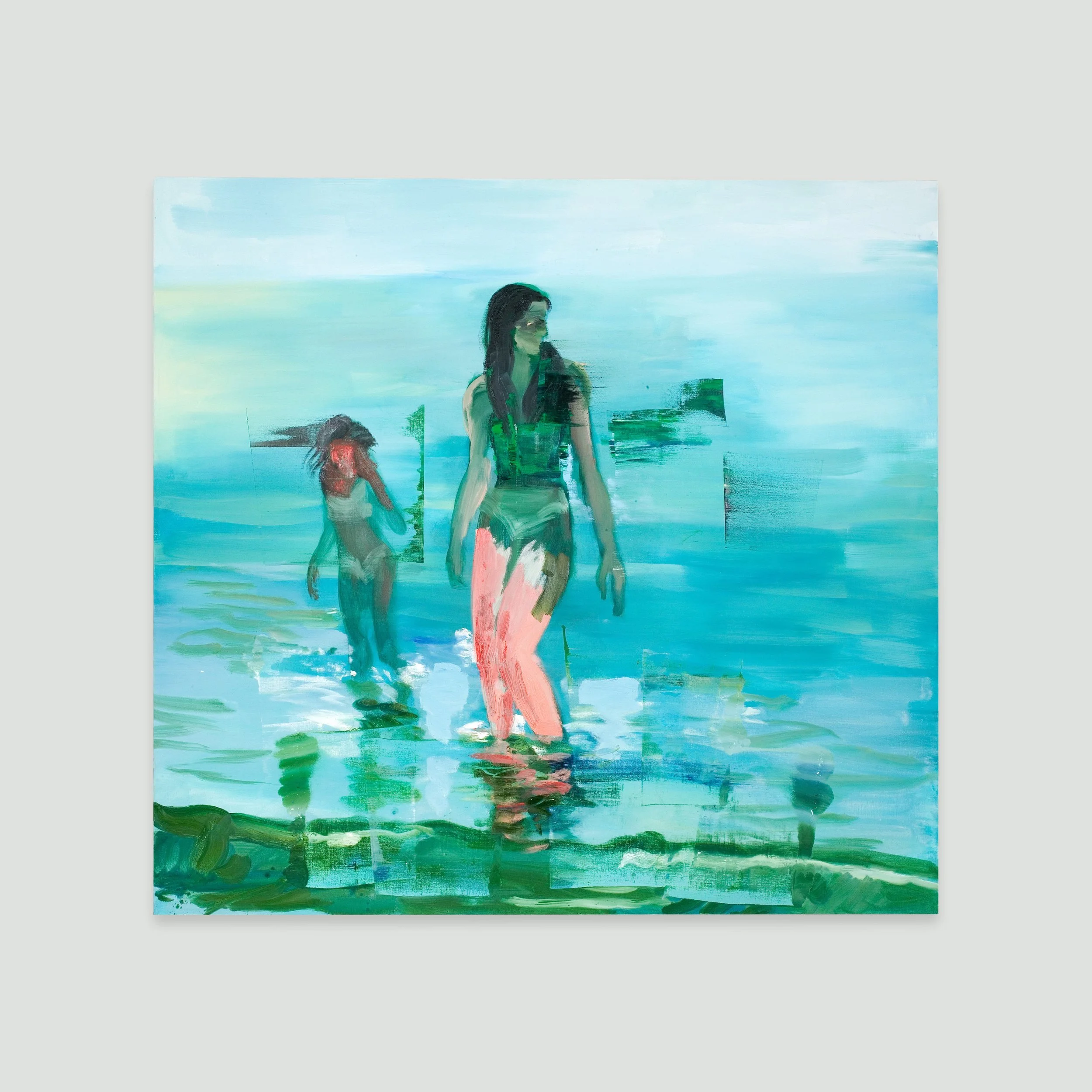
Rainer Fetting, 2 Mädchen am Meer (Sylt), 2007, Öl auf Leinwand, 229.9 x 249.9 cm, 90 ½ x 98 ⅜ in
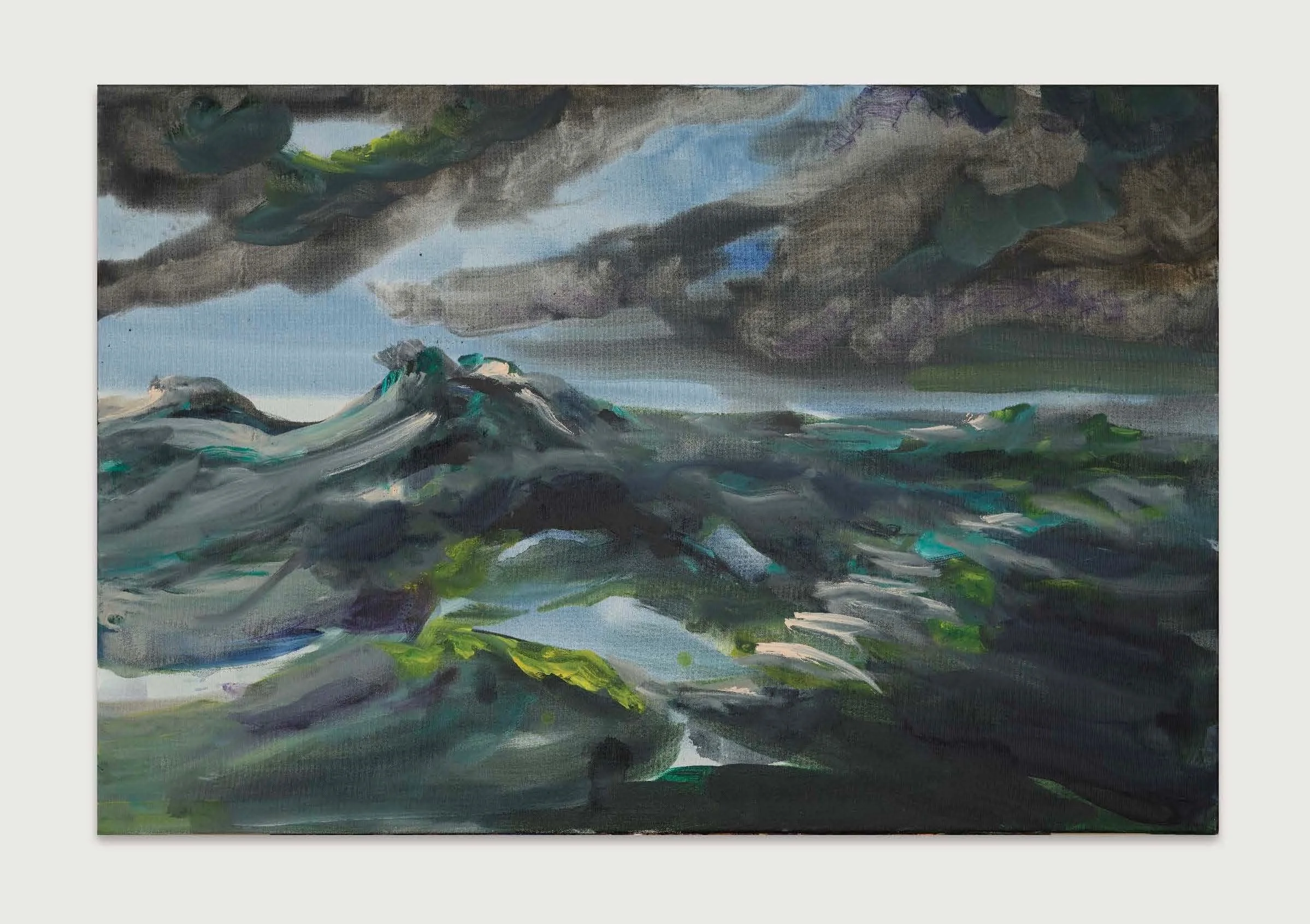
Rainer Fetting, Stürmische See, 2024, Acrylic on canvas, 80 x 120 cm, 31 ½ x 47 ¼ in
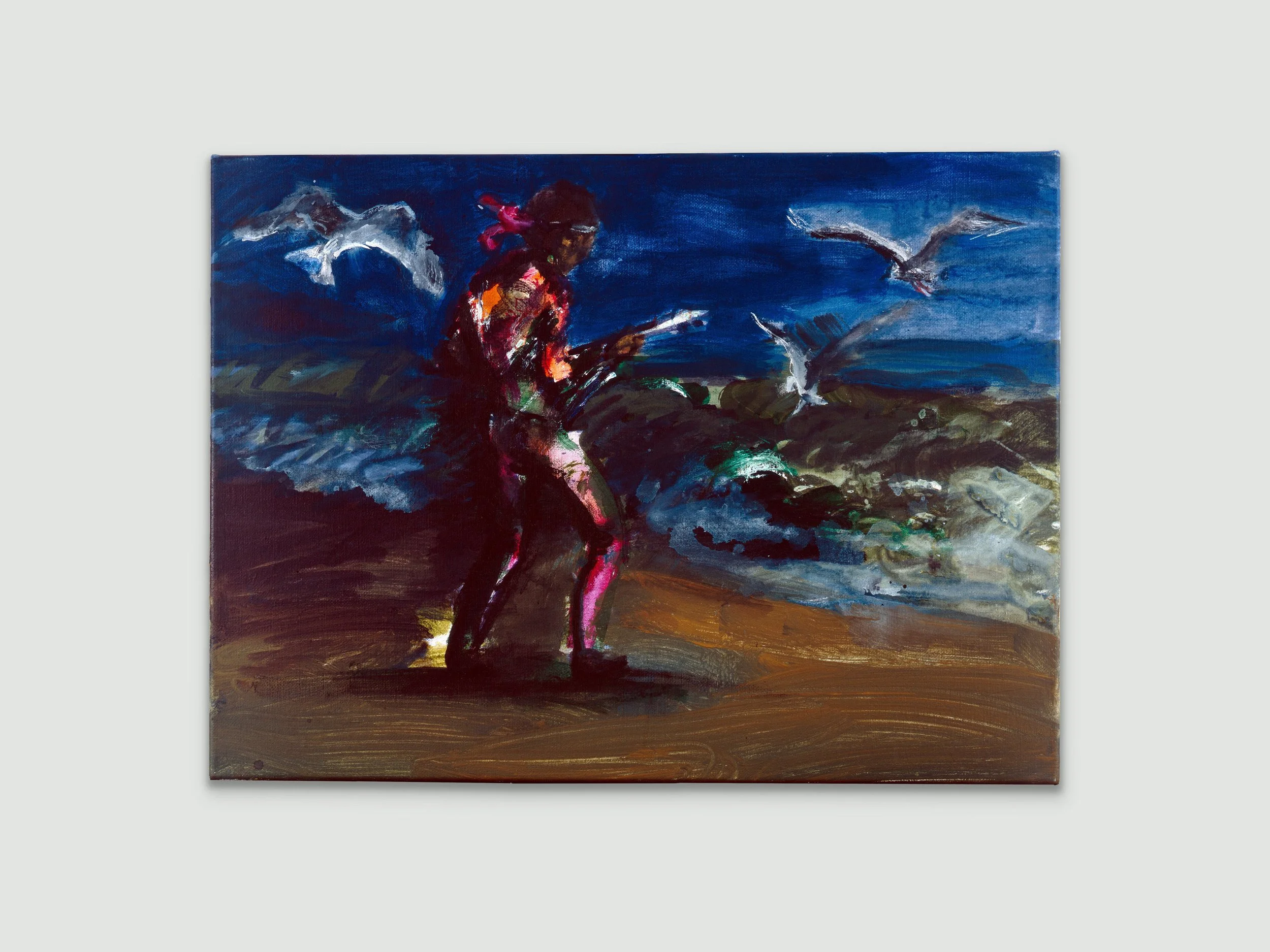
Rainer Fetting, Hendrix und Möwen, 2015, Tinte und Acyl auf Leinwand, 60 x 80 cm, 23 ⅝ x 31 ½ in
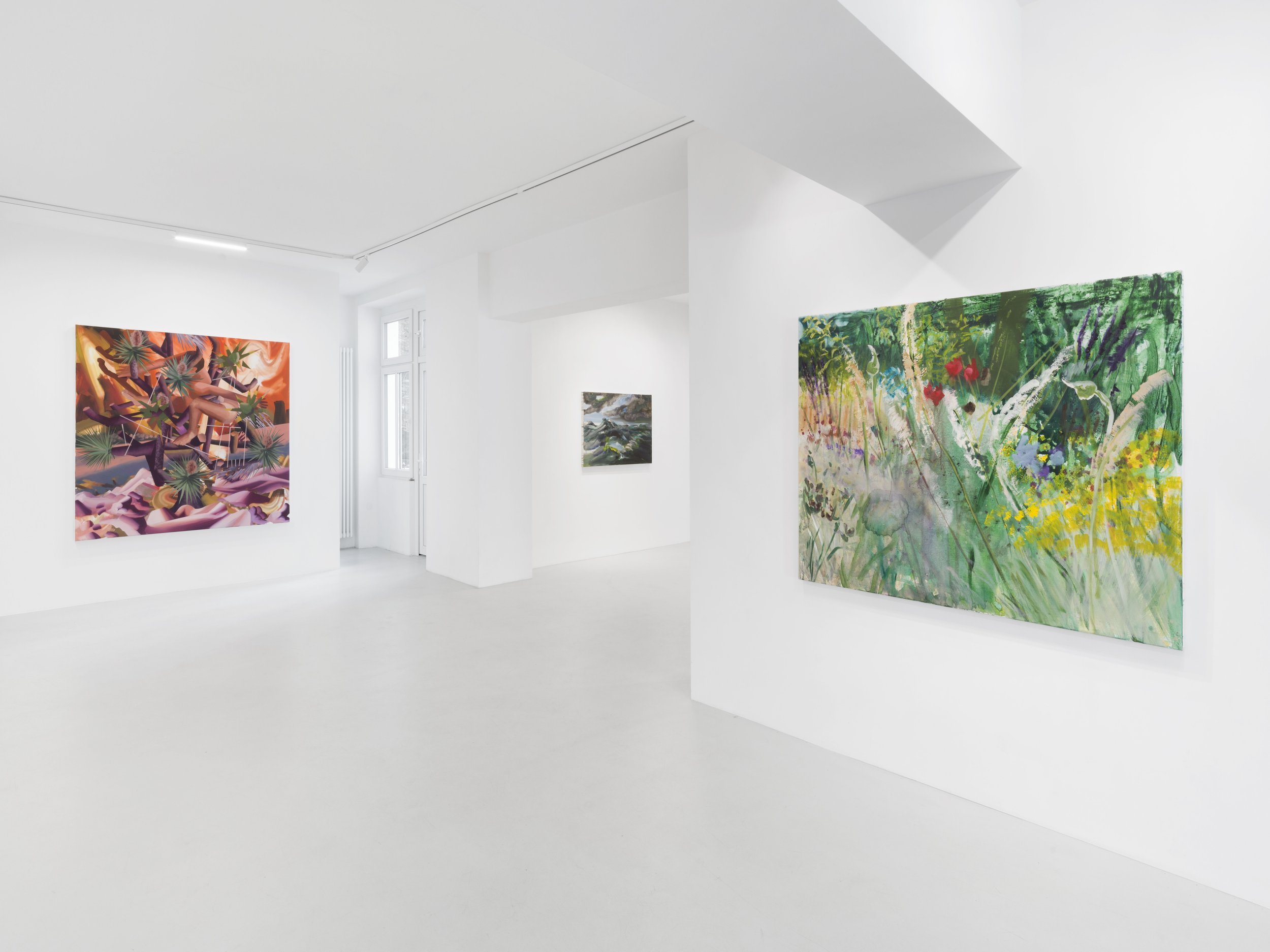
Tender Ground, Installation View, Robert Grunenberg, Berlin, 2026
Tender Ground
Andrej Dúbravský, Rainer Fetting, Brandon Lipchik
Opening 27 June 2026, 6-9 pm
28 June – 25 July 2026
Tender Ground begins with nature and traces the figure within it. Gardens, steppes, deserts, the North Sea: spaces in which the human body appears, often male, often exposed, sometimes barely distinguishable from its surroundings. Nature here is neither background nor setting, but a condition in which identity, desire and perception become visible. The male figure stands at the centre, not as ideal, but as terrain. As Tender Ground: permeable, vulnerable, in flux.
Flower painting, garden painting, botanical reference, ecosystem: these classical genres and motifs are revisited by three painters of different generations, with different means and from different painterly positions, always sensual, always expressive. Bodies inscribe themselves into landscapes, are shaped by them, or dissolve within them. Between bloom and decay, visibility and camouflage, a pictorial space emerges in which nature is not the counterpart of the human, but part of its very condition.
Andrej Dúbravský lives in the Slovak countryside. Fields, insects and seasonal cycles are part of his visual thinking, not backdrop. In his paintings, male bodies, horned beings and insects share the same porous pictorial space. The paint flows and presses at once: in one large-format work, a body stretches against a rose-coloured ground with head thrown back, half nude, half apparition, while in another two faces emerge from blue haze, surrounded by mosquitoes and flies as though they were part of the same ecosystem. A quietly queer sensibility runs through the work, expanding masculinity without turning it into statement.
Rainer Fetting has been working since the late 1970s on unresolved territory. Bodies under tension. Desire, submission, liberation. His portraits, cityscapes and still lifes store psychosocial energies visible in every painterly decision. Where two figures wade through turquoise water, barely distinguishable from the surface, or a dark figure stands on the beach against rising seagulls and night blue, nature becomes a trial of strength: not idyll, but condition. Even the figureless works, the turbulent North Sea seascape, the abundantly flowering garden, breathe this same tension. The Neue Wilde was never a question of style. It was a question of attitude. And it is, right now, urgently relevant again.
Brandon Lipchik develops his images on the computer and transfers them by hand onto canvas. Perspectives are deconstructed and layered: drone view, over-the-shoulder, floating head. In his paintings, cacti, Joshua trees and human bodies crowd the same pictorial space, seen from above, pushed into each other, barely distinguishable. A figure reaches into spiny leaves while in the background a road cuts diagonally through the desert and a red car races past. Plants and bodies are reduced to hard, almost architectural shapes, then set against gestural brushstrokes that break open the digital coolness. Americana as mythically charged pictorial space. Not driven by belief in progress, but by uncertainty.
Opening
27 June 2026
6 – 9 PM
Exhibition on view
28 June – 25 July 2026
For more information, please contact the gallery: mail@robertgrunenberg.com