Art COLOGNE
2026
5 NOVEMBER – 8 NOVEMBER
Hall 11.2 | Stand N024
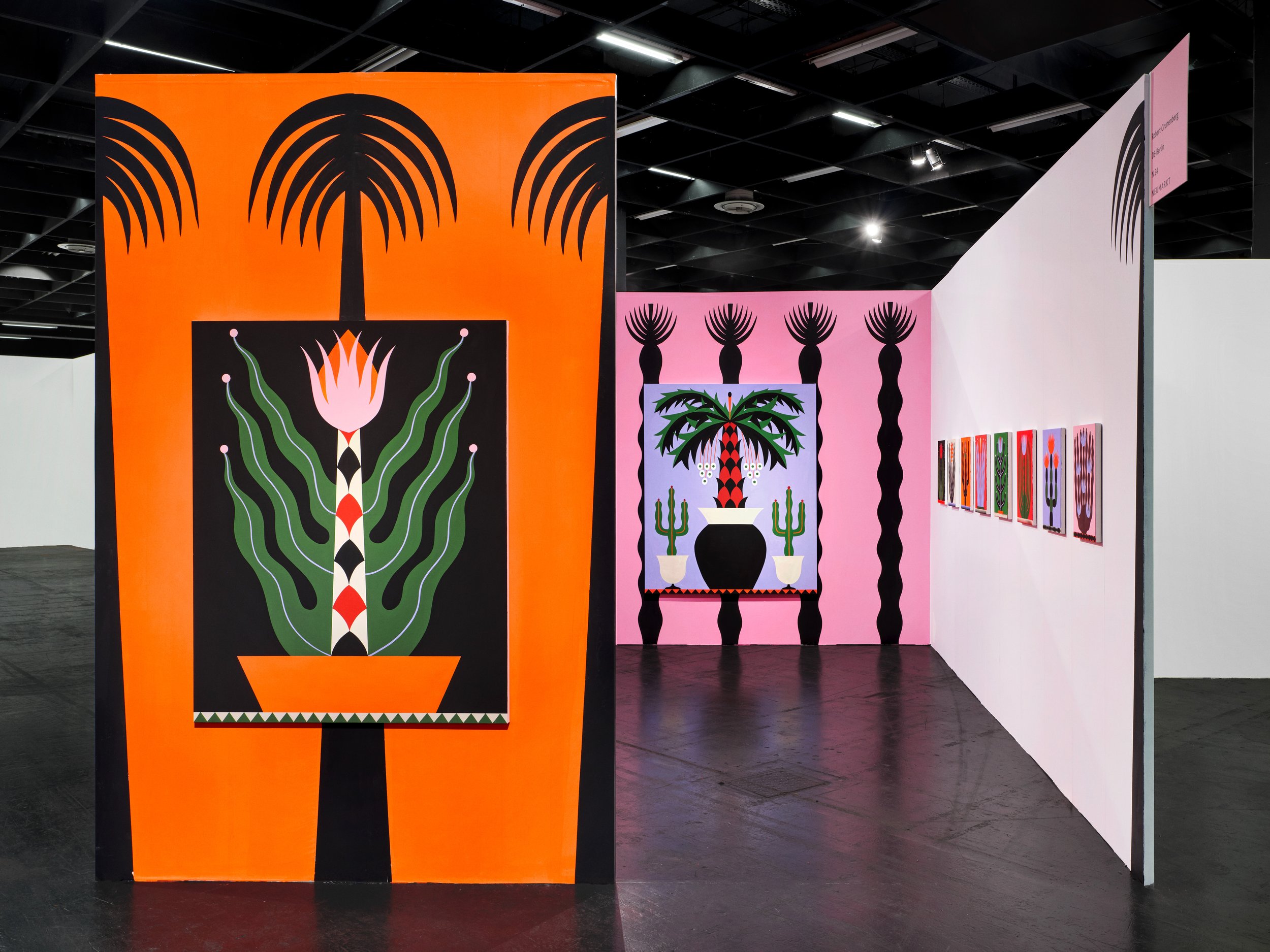
We are delighted to announce our participation at this years' Art Cologne (DE) with a solo presentation by Agostino Iacurci at the NEUMARKT section.
Installation View Art Cologne 2026
Installation View Art Cologne 2026
Installation View Art Cologne 2026
Installation View Art Cologne 2026
Installation View Art Cologne 2026
Installation View Art Cologne 2026
Installation View Art Cologne 2026
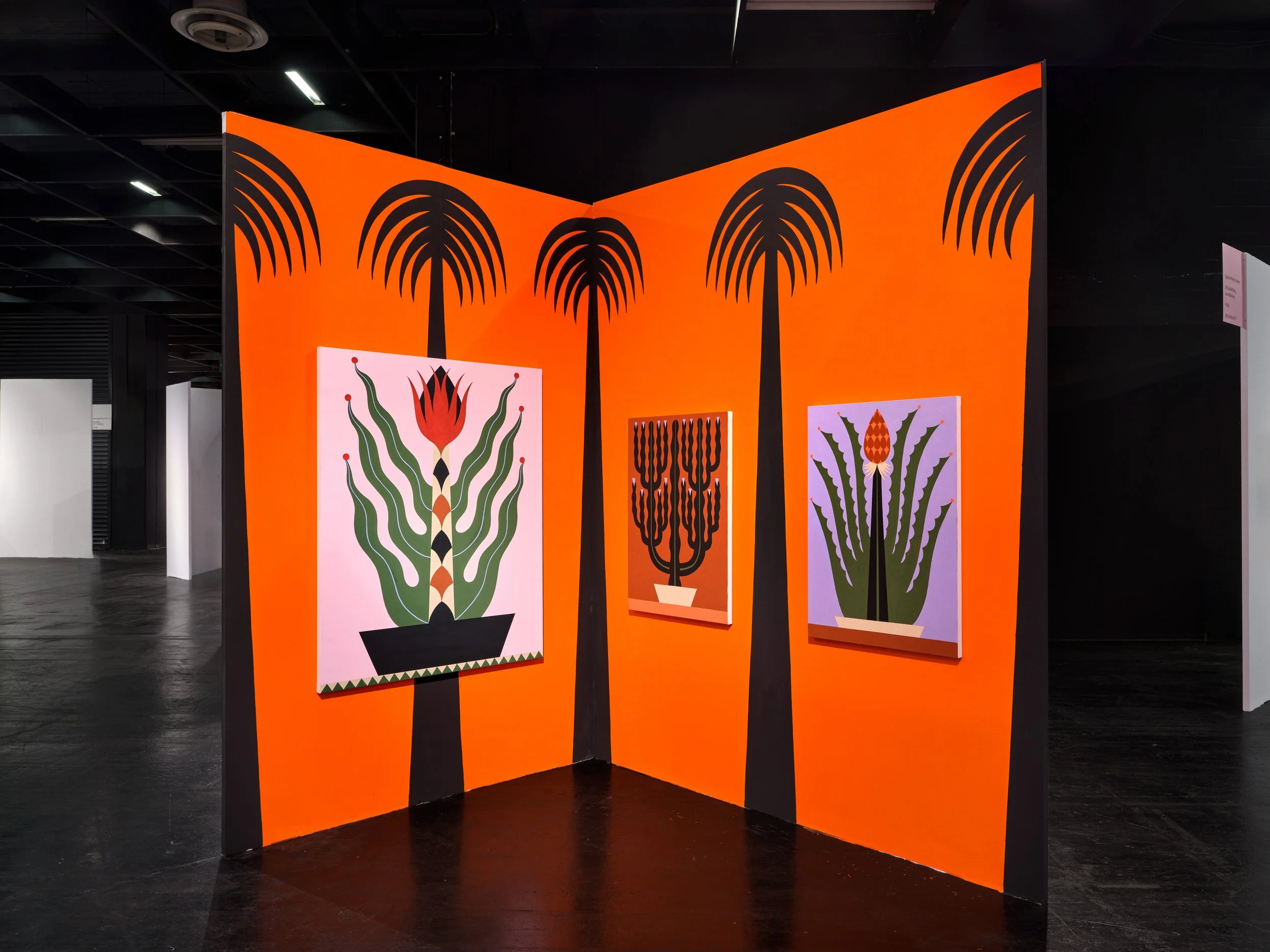
Installation View Art Cologne 2026
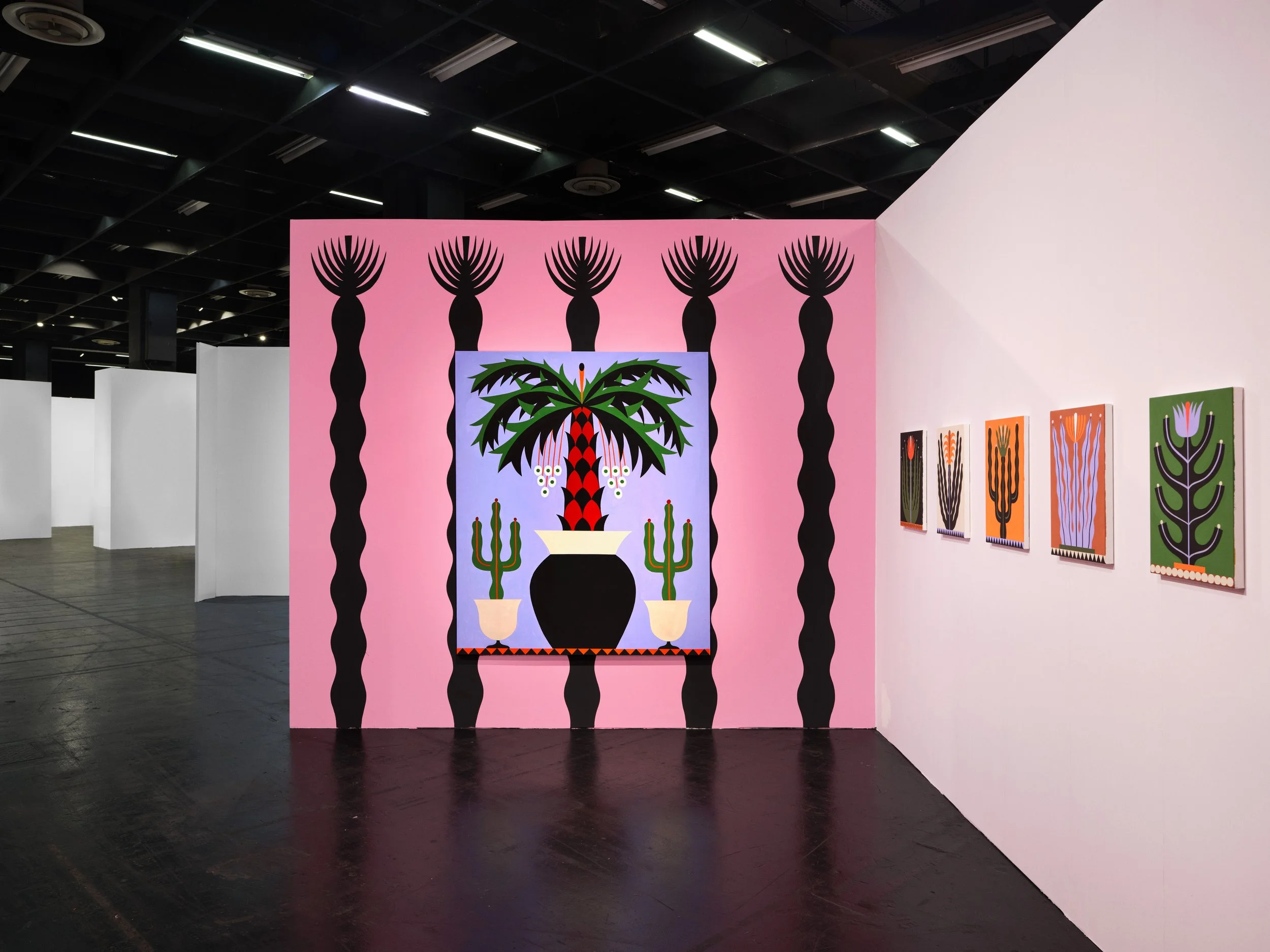
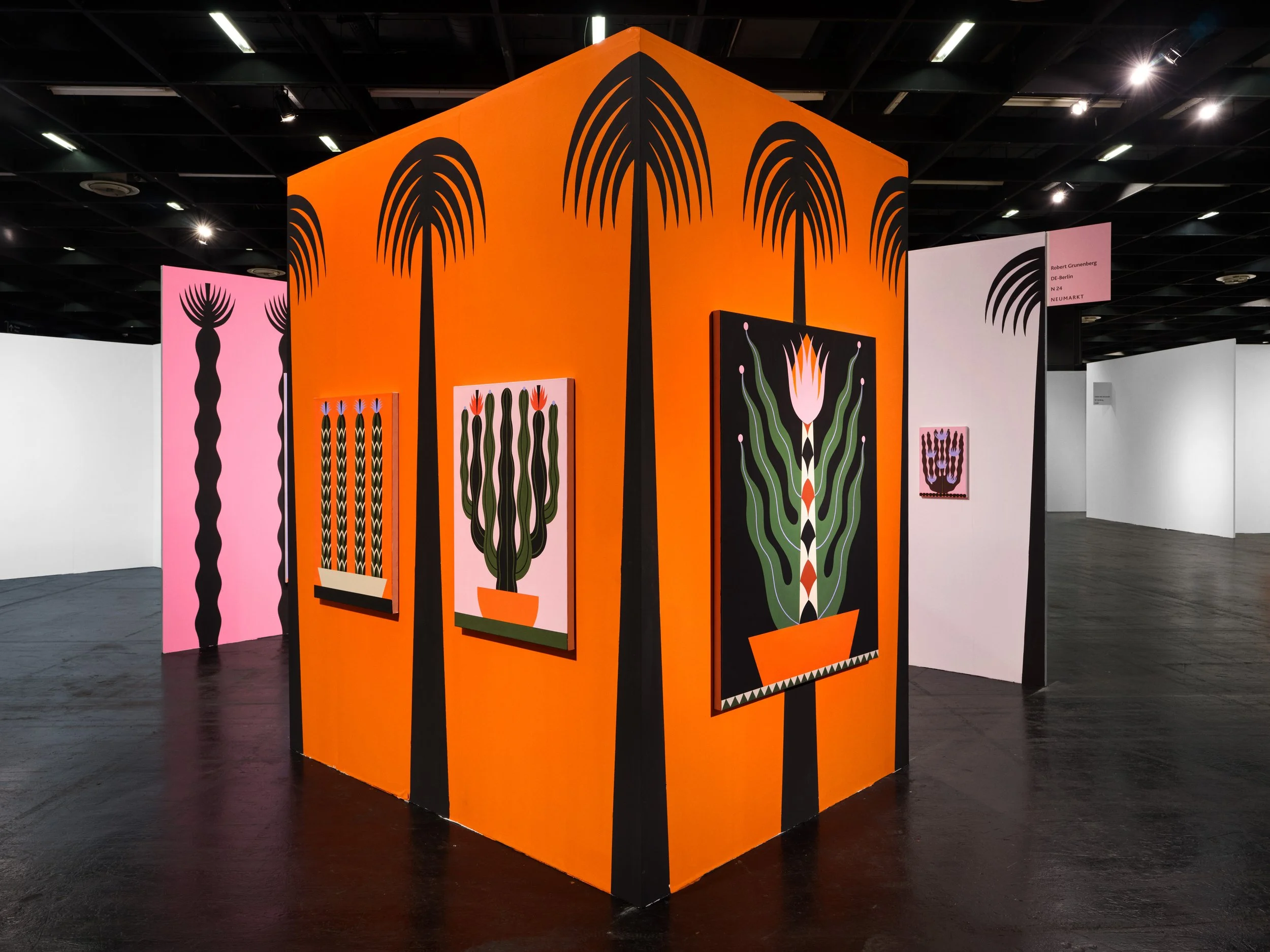
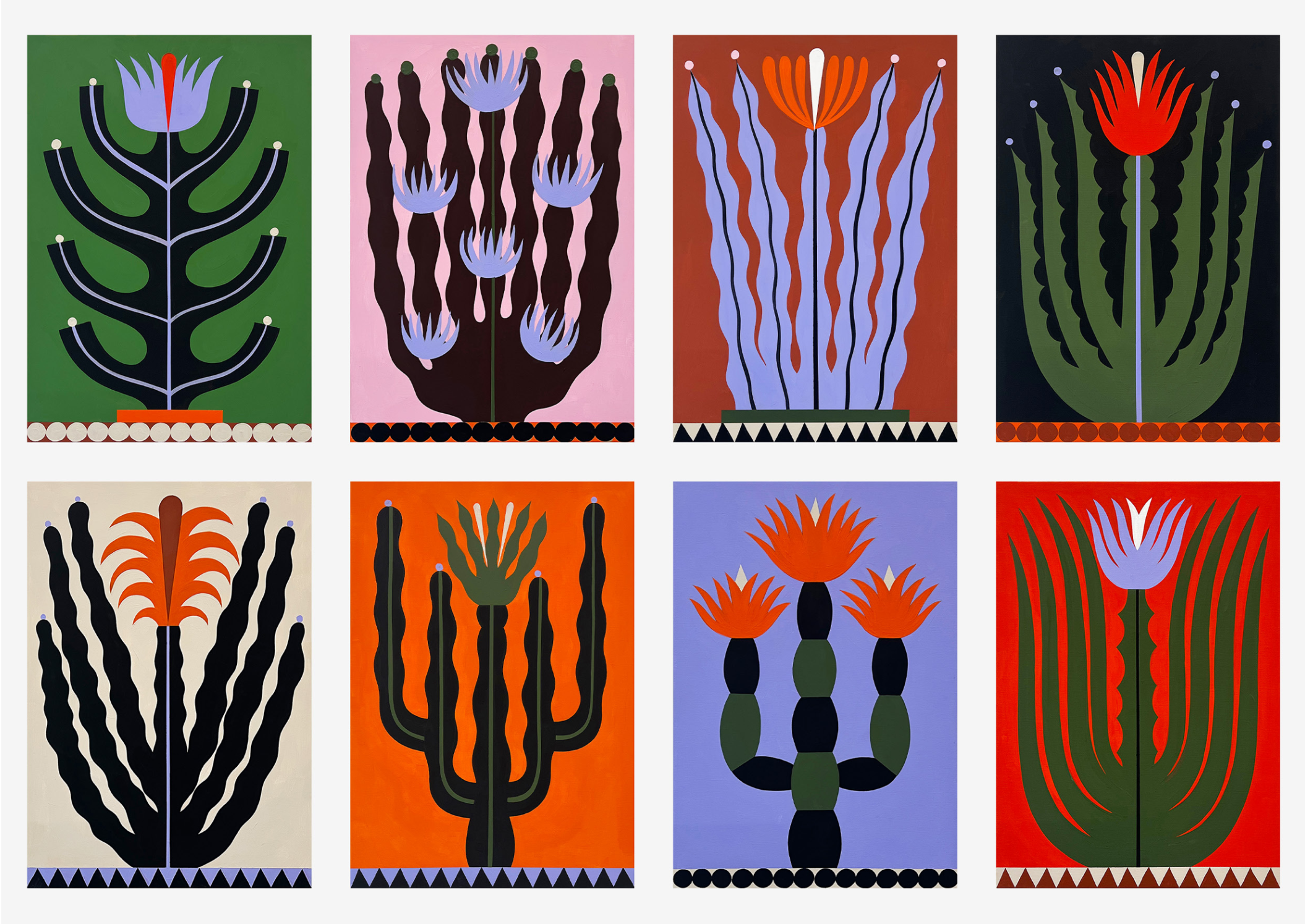
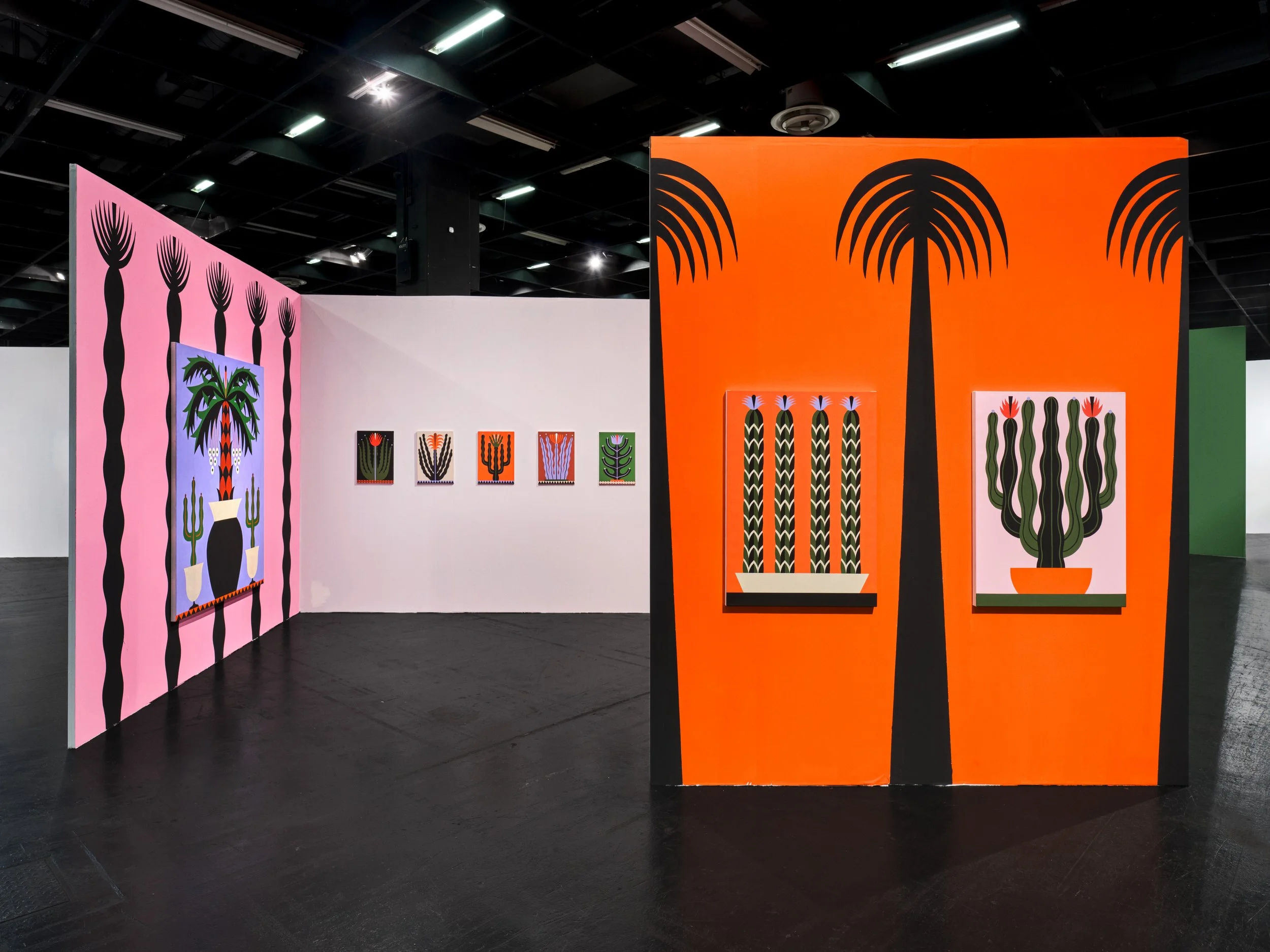
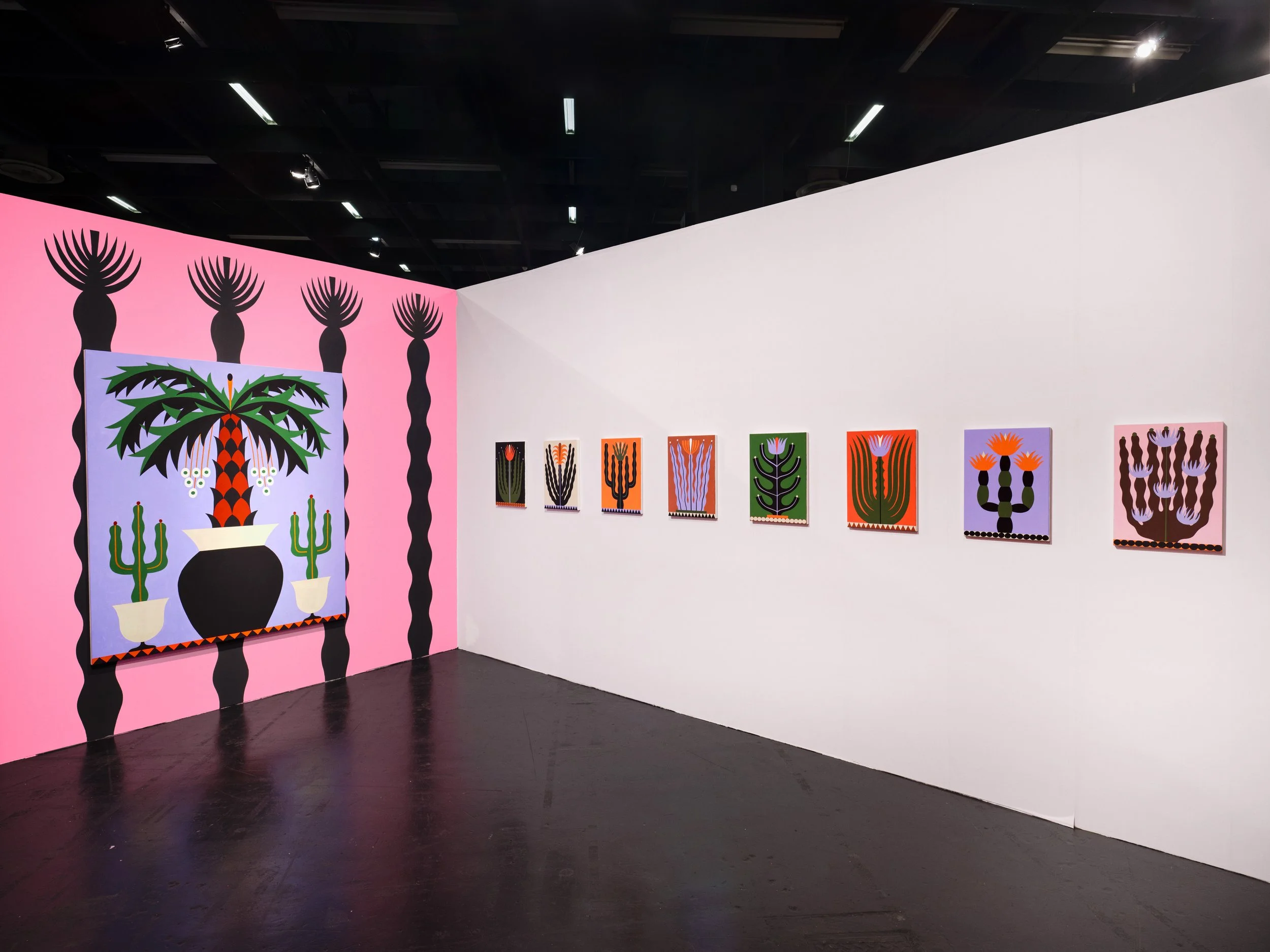
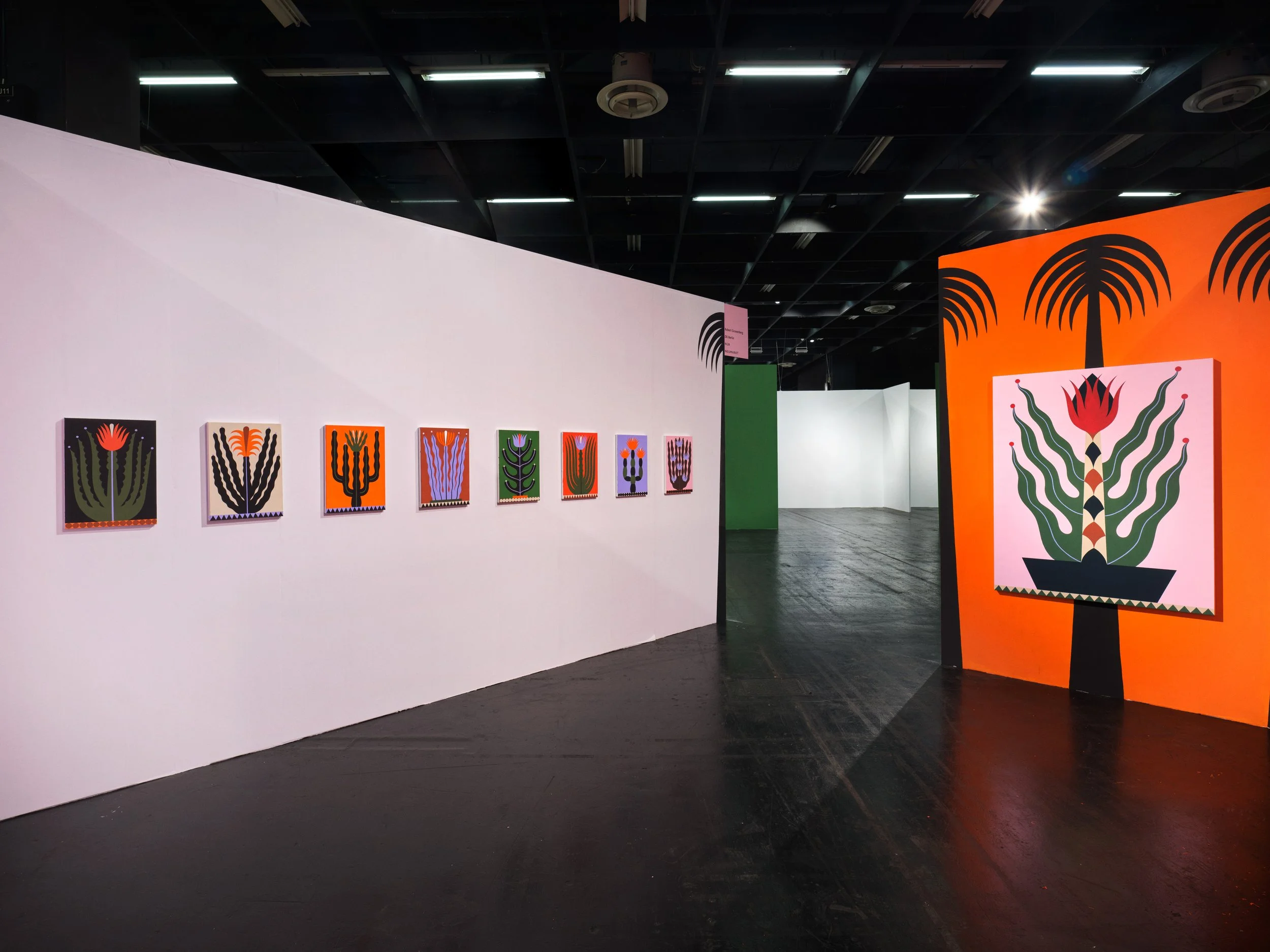
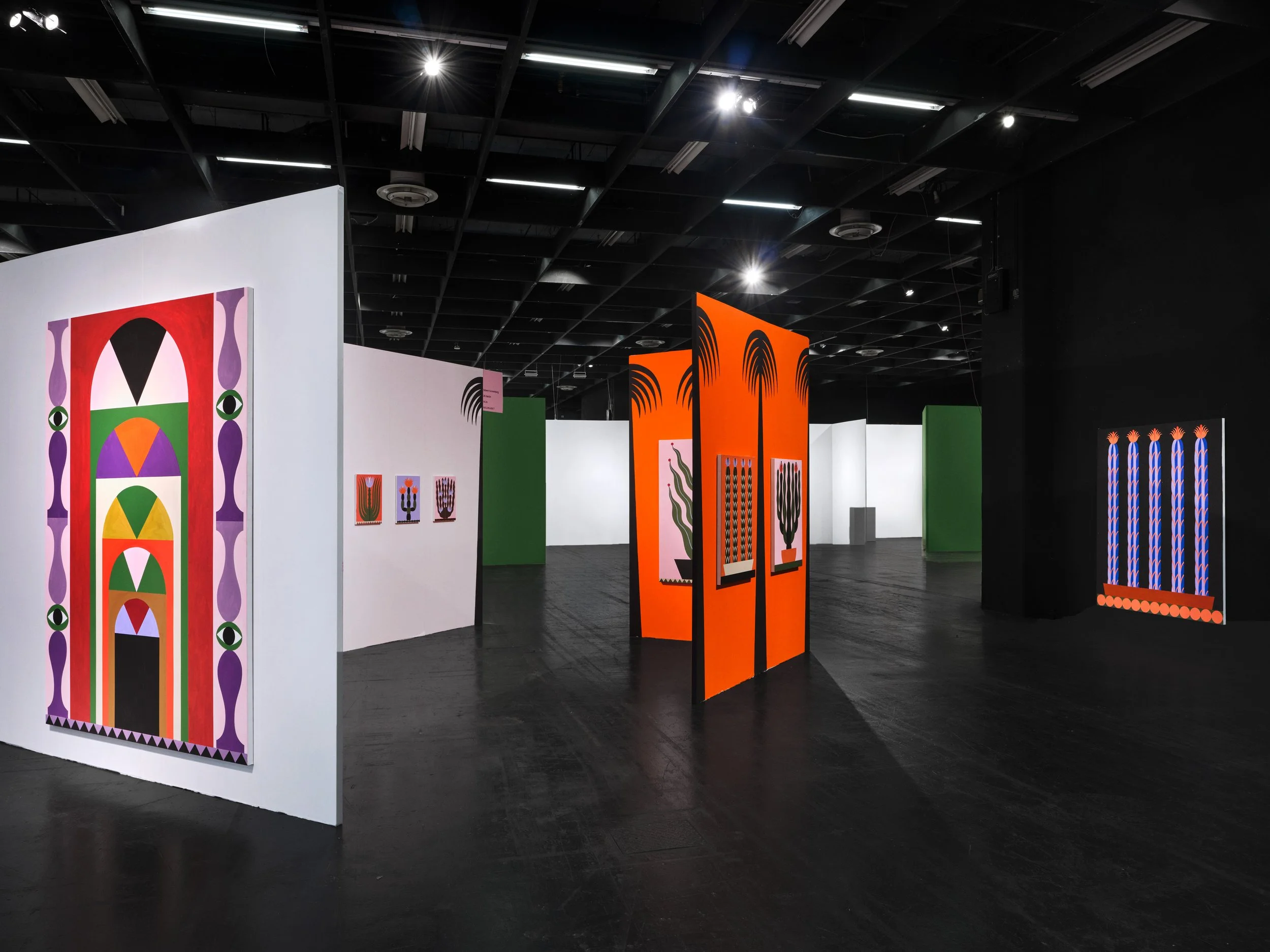
For Art Cologne 2026, Robert Grunenberg presents a solo presentation of Agostino Iacurci in the NEUMARKT section. At its centre is a new series of paintings, When the cactus is in bloom (2026), shown together with still lifes from his recent exhibition Tomorrow and Tomorrow and Tomorrow in Berlin.
Cacti and succulents rise up the canvas like figures standing to attention. Their arms are lifted, their ribs scalloped, their spines reduced to rows of small dots. At the very top, a single flower opens: a crown of pointed petals in vermilion, violet or blush pink, as sharp and as sudden as a flame. Each plant stands on its own field of colour, signal orange, lilac, oxblood, deep black, and rests on a narrow band of triangles or circles that reads like the frieze of a temple or the edge of a woven carpet.
Iacurci paints in vinyl emulsion on linen, a medium he also uses for his monumental wall paintings. The colours are applied flat and matte, without brushstroke or shadow, so that every shape holds its contour with the clarity of a cut-out. What looks simple is precisely calculated: the curve of a stem, the rhythm of the leaves, the distance between the plant and the edge of the picture.
The cactus has accompanied Iacurci for years. In The Traveling Landscape, shown in Los Angeles and Berlin, it stood beside the palm tree as one of the two resilient protagonists of a Californian panorama. Both plants are also memories from Foggia in southern Italy, where he grew up. In the new paintings, the cactus moves from the landscape into the centre of the image and becomes something close to a portrait.
The title points to a rare moment. Many cacti flower only briefly, some for a single night, after long periods of drought and patience. Iacurci paints exactly this moment: the plant at the height of its life, armoured and tender at once. It is a quiet image of endurance, and of the beauty that comes from it.
As so often in Iacurci’s work, the boundaries between plant and person blur. The cacti seem to stand, wave, embrace and show off, like a small community of characters gathered in one room. Together they form a garden that is part botanical study, part ornament and part theatre.
The still lifes from Tomorrow and Tomorrow and Tomorrow turn to the objects of Iacurci’s studio in Bologna: a yellow teapot, a moka pot, vases, pears, a bowl of fruit, a single egg. They have travelled with him through more than fifteen moves between homes and studios. A snail crosses a table, a small red car passes between the leaves. Stacked, overlapping and pressed close together, these things form small domestic landscapes. The title comes from Kurt Vonnegut’s short story of 1953, which borrows it from Shakespeare’s Macbeth: a future in which nothing disappears anymore. Painting, here, becomes a way of holding on to things.
Agostino Iacurci (b. 1986, Foggia) lives and works in Bologna. He studied Visual Arts at the Accademia di Belle Arti in Rome and was a Research Affiliate Fellow at the Italian Academy for Advanced Studies at Columbia University, New York, in 2020. Iacurci considers himself first and foremost a painter, while also working in sculpture, installation and monumental wall painting. Drawing on ornamental and mythological motifs from antiquity to modernity, he develops a flat, saturated, geometric language in which plants take on human traits and human figures turn into plants. Since 2009 he has realised public works across Europe, the Americas and Asia, from a metro station in New Delhi to the Olympic Games in Paris. In 2028, the Kunstpalais Erlangen will dedicate a solo exhibition to his work.